Skip to content
Get the Balanced News app for a better experience!
The Balanced News Logo
Analytics
The Balanced News Logo

Stay Balanced, Stay Informed

Menu
  • Browse News
  • Underreported Stories
  • Curated Feeds
  • Insights
  • Analytics
  • Our Writers
  • About Us
  • Download App
Learn
  • How It Works
  • Bias Detection
  • Lens Score
  • Source Bias Checker
  • Accountability
  • Custom Feeds
Newsroom
  • Writers & Analysts
  • About TBN
  • Editorial Standards
  • Corrections Policy
  • Our Partners
  • Insights
Socials
  • Youtube
  • Instagram
  • X
  • Facebook
News Categories
  • Trending
  • Politics
  • Sports
  • Business
  • Tech
  • Entertainment
  • Health
  • Science
  • Crime
  • Lifestyle
  • National
  • International
  • Good News
  • Crypto

Get Our App

Available for iOS and Android


LensFeedsInsightsAnalyticsTrendingGood NewsSportsPoliticsBusinessCrimeTechEntertainmentHealthNationalInternational

© 2026 The Balanced News. All rights reserved.

About UsEditorial StandardsCorrectionsHelp & SupportPrivacy PolicyTerms & Conditions
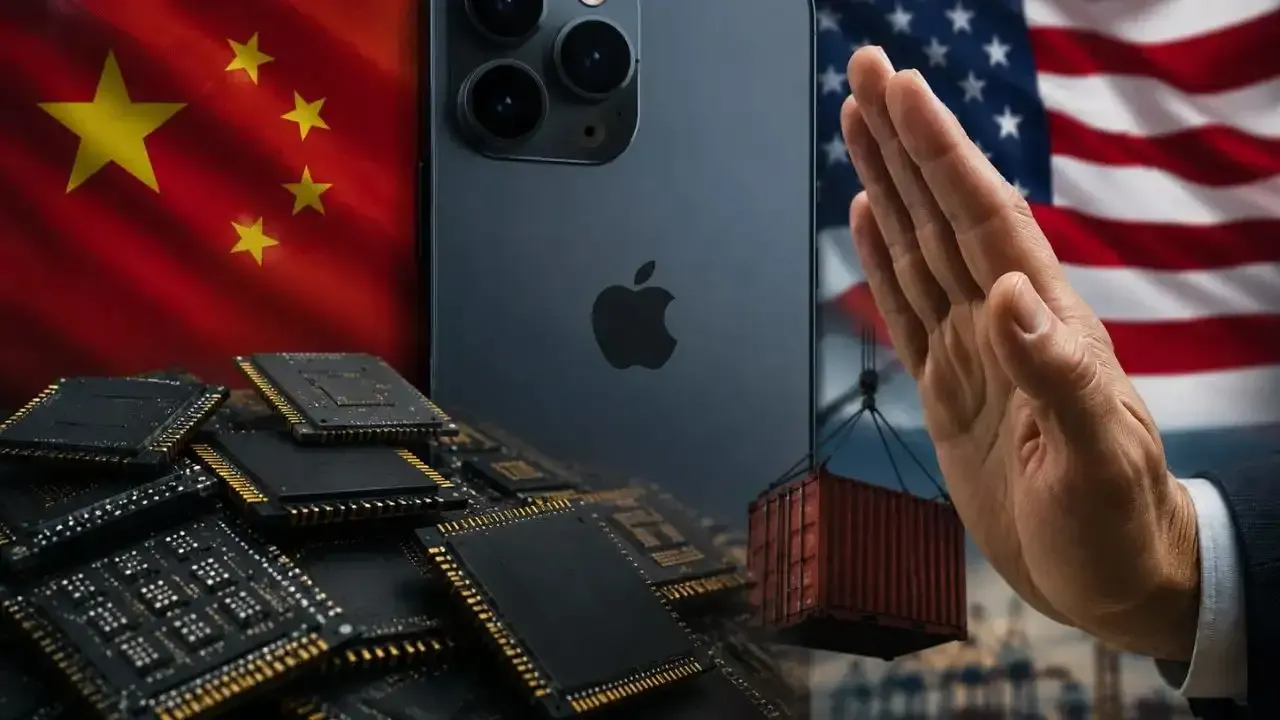
US Urges Apple to Avoid Chinese Memory Chips Amid Supply and Trade Concerns
Categories

Categories

Related Coverage

Select a news story to see related coverage from other media outlets.

Related Coverage

Select a news story to see related coverage from other media outlets.

  1. Home
  2. /
  3. Politics

US Urges Apple to Avoid Chinese Memory Chips Amid Supply and Trade Concerns

Analysed 16 Aug 2026·2 sources analysed·China·Politics
US Urges Apple to Avoid Chinese Memory Chips Amid Supply and Trade ConcernsPreviousNext

The Trump administration has urged Apple to avoid purchasing memory chips from Chinese manufacturers CXMT and YMTC amid ongoing trade tensions and a global chip shortage. Commerce Secretary Howard Lutnick emphasized the need for Apple to seek alternative suppliers and expand US manufacturing. Apple has reportedly tested Chinese memory chips but has not confirmed this. US regulations require licenses for sharing product information with Chinese firms, though Apple can buy standard chips without customization. The situation reflects broader supply challenges and US-China trade concerns.

Sentiment
52%
TBN's observations

First-hand measurement across 2 sources

We measured how 2 outlets covered this story. No outlet gave this story a measurable political slant — there is no left–right reading to report. Overall sentiment is neutral (52/100). Lens Score 48/100.

Outlets measured: timesnow, wion. See how each one headlined and framed the same story in the source comparison below.

AI analysis of 2 sources · Published under editorial oversight by The Balanced News
Analysed 16 Aug 2026· How this analysis is produced· Editorial standards· Corrections

AI Analysis

Sentiment — Neutral (52/100)

Sentiment was consistent across outlets (48–55/100), indicating broadly factual reporting rather than editorialising.

Coverage timeline

wion broke this story on 15 Aug, 02:12 pm. Other outlets followed.

15 Aug, 02:12 pm2 sources · 20 h16 Aug, 09:47 am
  1. 1
AI analysis by the TBN Bias Engine · beat methodology byPrajakta Kale· Political Analyst· editorial standards byOjas Kale
← Previous
Congress Faces Backlash Over Sharing Old Videos of BJP Flag Hoisting Claims
Next →
India to Host 12th BRICS Environment Ministers' Meeting in New Delhi in August 2026
wion15 Aug, 02:12 pm
Trump team urges Apple to avoid Chinese memory chips amid trade tensions: Report
  • 2
    timesnow16 Aug, 09:47 am
    Apple Wants Chinese Memory Chips, But US Government Says Find Another Way
  • Who's involved

    Institutions and figures named across source coverage.

    Government
    White HouseUnited States Department of Commerce
    Corporate
    Apple Inc.Intel CorporationApple Incorporated
    Political
    Republican Party

    Story context

    Category
    Politics
    Location
    China
    Sources analysed
    2
    Last analysed
    16 Aug 2026
    Key entities
    Apple Inc.ChinaUnited States Secretary of CommerceIPhoneChangXin Memory TechnologiesYangtze Memory TechnologiesPresidency of Donald TrumpThe Wall Street JournalDonald TrumpUnited StatesChief operating officerSupply chain