Skip to content
Get the Balanced News app for a better experience!
The Balanced News Logo
Analytics
The Balanced News Logo

Stay Balanced, Stay Informed

Menu
  • Browse News
  • Underreported Stories
  • Curated Feeds
  • Insights
  • Analytics
  • Our Writers
  • About Us
  • Download App
Learn
  • How It Works
  • Bias Detection
  • Lens Score
  • Source Bias Checker
  • Accountability
  • Custom Feeds
Newsroom
  • Writers & Analysts
  • About TBN
  • Editorial Standards
  • Corrections Policy
  • Our Partners
  • Insights
Socials
  • Youtube
  • Instagram
  • X
  • Facebook
News Categories
  • Trending
  • Politics
  • Sports
  • Business
  • Tech
  • Entertainment
  • Health
  • Science
  • Crime
  • Lifestyle
  • National
  • International
  • Good News
  • Crypto

Get Our App

Available for iOS and Android


LensFeedsInsightsAnalyticsTrendingGood NewsSportsPoliticsBusinessCrimeTechEntertainmentHealthNationalInternational

© 2026 The Balanced News. All rights reserved.

About UsEditorial StandardsCorrectionsHelp & SupportPrivacy PolicyTerms & Conditions
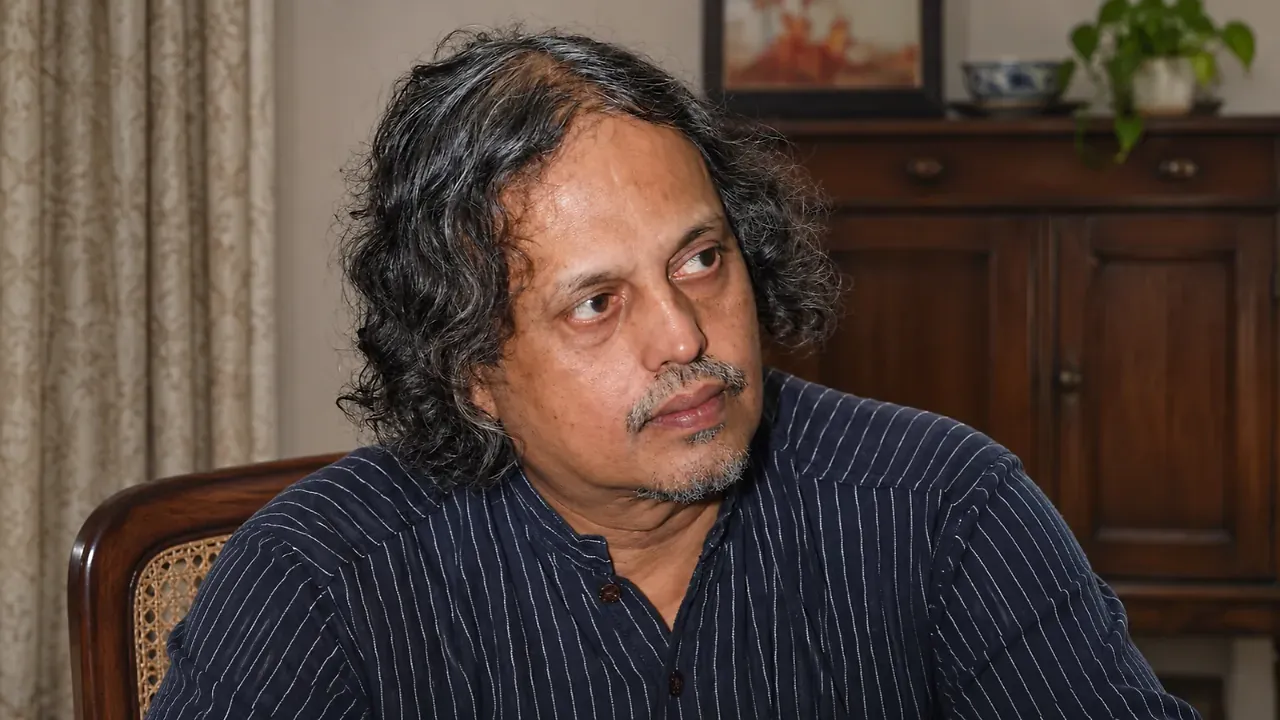
Interviews Explore Political Sadness, Philosophy, and Caste-Based Legal Challenges in India
Categories

Categories

Related Coverage

Select a news story to see related coverage from other media outlets.

Related Coverage

Select a news story to see related coverage from other media outlets.

  1. Home
  2. /
  3. Politics

Interviews Explore Political Sadness, Philosophy, and Caste-Based Legal Challenges in India

Analysed 24 Nov 2026·3 sources analysed·Rajasthan, India·Politics
Interviews Explore Political Sadness, Philosophy, and Caste-Based Legal Challenges in IndiaPreviousNext

Three interviews explore diverse intellectual themes in India. Ghazala Jamil discusses 'political sadness' as mourning lost futures amid rising communal tensions. Sundar Sarukkai critiques modern education's discouragement of questioning and emphasizes philosophy's role in everyday life and compassion. Sandhya Fuchs examines caste-based violence and legal challenges faced by marginalized Dalit communities, highlighting issues of inclusion and justice. Together, these conversations address societal, educational, and legal dimensions shaping contemporary Indian experiences.

Sentiment
48%
TBN's observations

First-hand measurement across 3 sources

We measured how 3 outlets covered this story. No outlet gave this story a measurable political slant — there is no left–right reading to report. Overall sentiment is neutral (48/100). Lens Score 35/100.

Outlets measured: timesnow, thewire, scrollin. See how each one headlined and framed the same story in the source comparison below.

AI analysis of 3 sources · Published under editorial oversight by The Balanced News
Analysed 24 Nov 2026· How this analysis is produced· Editorial standards· Corrections

AI Analysis

Sentiment — Neutral (48/100)

Sentiment was consistent across outlets (45–52/100), indicating broadly factual reporting rather than editorialising.

Coverage timeline

scrollin broke this story on 24 Nov, 01:08 am. Other outlets followed.

24 Nov, 01:08 am3 sources · 10 h24 Nov, 11:33 am
AI analysis by the TBN Bias Engine · beat methodology byPrajakta Kale· Political Analyst· editorial standards byOjas Kale
← Previous
Israeli Airstrike Kills Senior Hamas Security Official in Gaza
Next →
Reports Reveal Data Exposure and Hard-Coded Figures in Election Commission Systems
  1. 1
    scrollin24 Nov, 01:08 am
    Interview: 'We are pushed into forgetting futures we anticipated once, but it wounds and festers'
  2. 2
    thewire24 Nov, 10:05 am
    Interview Who Gets to Be Believed? Caste and the Indian Legal System
  3. 3
    timesnow24 Nov, 11:33 am
    Homo Philosophicus Author Sundar Sarukkai Says 'Certainty Without Doubt Can Only Lead To Ideology'

Who's involved

Institutions and figures named across source coverage.

Political
Indian National Congress

Story context

Category
Politics
Location
Rajasthan, India
Sources analysed
3
Last analysed
24 Nov 2026
Key entities
IndiaRajasthanCasteWorldviewMark FisherHauntologyMuslimsJawaharlal Nehru UniversityGeneration ZBritish EmpireCommunal violenceCultural studies