Ongoing Conflict Impacts Crimea and Challenges Russia's Economic Stability
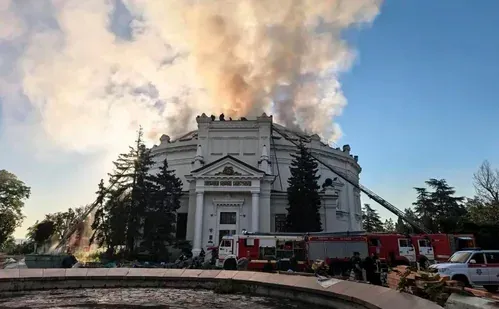
Crimea has become a conflict zone with frequent Ukrainian drone attacks targeting military and infrastructure sites, leading to power outages and fuel shortages. Ferry services have been suspended, increasing reliance on vulnerable land routes. Meanwhile, Ukraine has extended drone strikes into Russia, including Moscow. Despite these challenges and Western sanctions, Russia's economy shows signs of structural strain but has avoided collapse, with some analysts noting recession risks while official data indicates modest growth influenced by fiscal measures and trade shifts.
First-hand measurement across 2 sources
We measured how 2 outlets covered this story. Coverage leans balanced overall (Left 40%, Centre 55%, Right 5%). Overall sentiment is neutral (40/100). Lens Score 28/100 — low public interest.
Outlets analysed (first-hand measurement by TBN's Bias Engine):
- hindustantimes— left-leaning framing, negative sentiment
- mint— balanced framing, neutral sentiment
AI Analysis
The articles present perspectives highlighting the military and economic challenges faced by Russia amid the Ukraine conflict. One focuses on the deteriorating security situation in Crimea and Ukrainian attacks, while the other examines Russia's economic resilience and vulnerabilities under sanctions. Both sources reflect concerns about Russia's position without overtly endorsing any side, providing a balanced view of military and economic dimensions.
The overall tone is cautiously analytical, combining reports of escalating conflict and infrastructure damage with assessments of economic difficulties. While the security situation in Crimea is depicted as worsening, the economic coverage tempers alarm with recognition of Russia's adaptive measures. This results in a mixed sentiment that acknowledges both hardship and resilience.