Supreme Court Advises Introducing Third Language from Class 5 or 6 Instead of Class 9
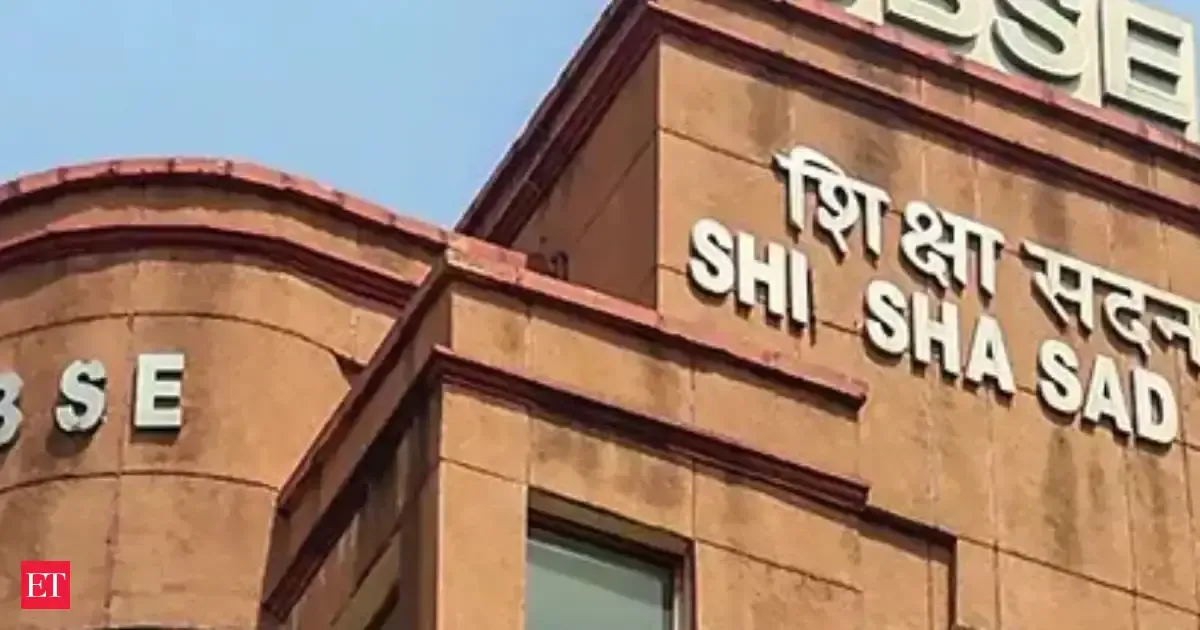
The Supreme Court expressed concerns over the CBSE's plan to introduce a mandatory third language from Class 9, citing increased academic stress on students preparing for board exams. The court suggested implementing the three-language policy earlier, from Class 5 or 6, to allow students more time to adapt. These observations arose during hearings on Tamil Nadu's challenge to a Madras High Court order to establish Jawahar Navodaya Vidyalayas, which the state opposes partly due to the language policy. The court also urged reconsideration of the timing rather than opposing the policy outright.
First-hand measurement across 13 sources
We measured how 13 outlets covered this story. Coverage leans balanced overall (Left 16%, Centre 79%, Right 5%). Overall sentiment is neutral (52/100). Lens Score 34/100 — low public interest.
Outlets analysed (first-hand measurement by TBN's Bias Engine):
- thetribune— balanced framing, neutral sentiment
- economictimes— balanced framing, neutral sentiment
- scrollin— balanced framing, neutral sentiment
- news18— balanced framing, neutral sentiment
- wion— balanced framing, neutral sentiment
- httpswwwoutlookindiacom— balanced framing, neutral sentiment
- indianexpress— balanced framing, neutral sentiment
- thetelegraph— balanced framing, neutral sentiment
AI Analysis
The article group presents perspectives from the Supreme Court, the Tamil Nadu government, and the Centre, focusing on educational policy without partisan framing. The court's stance emphasizes student welfare and curriculum timing, while Tamil Nadu's opposition to Navodaya Vidyalayas and the three-language policy is noted. Coverage remains factual, highlighting institutional positions and legal proceedings without political bias.
The overall tone across the articles is neutral to cautious, reflecting concern for student stress and academic burden. The Supreme Court's recommendations are presented as constructive suggestions rather than criticisms. Tamil Nadu's opposition is reported factually without emotive language. The sentiment balances concern for educational impact with respect for policy implementation challenges.