Marco Rubio Visits Gulf to Address Concerns Over US-Iran Deal and Regional Stability
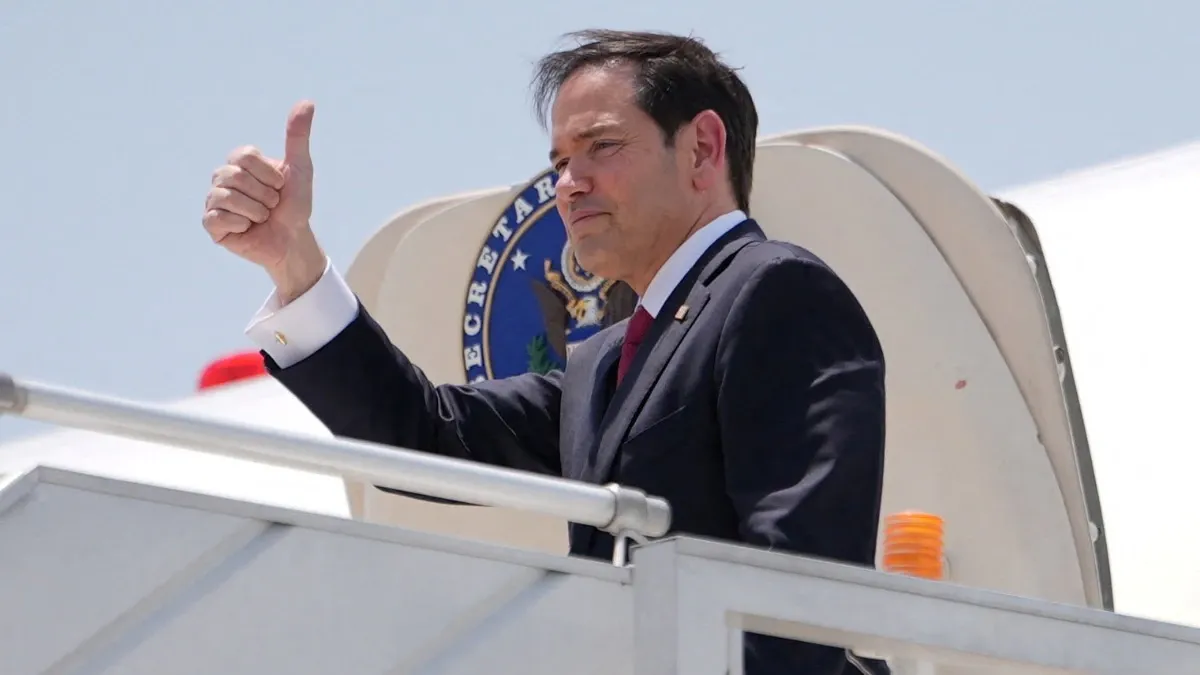
US Secretary of State Marco Rubio is visiting Gulf countries including the UAE, Kuwait, and Bahrain to address concerns over a US-Iran memorandum of understanding that includes a proposed $300 billion reconstruction fund for Iran. Gulf allies worry the fund and lack of limits on Iran's ballistic missiles could strengthen Tehran's military and regional influence. Rubio aims to reassure partners about US commitments, emphasizing the importance of regional stability, secure transit through the Strait of Hormuz, and addressing Iran-backed proxy activities as part of ongoing negotiations.
First-hand measurement across 10 sources
We measured how 10 outlets covered this story. Coverage leans balanced overall (Left 11%, Centre 80%, Right 9%). Overall sentiment is neutral (46/100). Lens Score 34/100 — low public interest.
Outlets analysed (first-hand measurement by TBN's Bias Engine):
- oneindia— balanced framing, neutral sentiment
- thetelegraph— balanced framing, neutral sentiment
- english— balanced framing, neutral sentiment
- firstpost— balanced framing, neutral sentiment
- thetribune— balanced framing, neutral sentiment
- thetelegraph— balanced framing, neutral sentiment
- theprint— balanced framing, neutral sentiment
- ndtv— balanced framing, neutral sentiment
AI Analysis
The article group presents perspectives primarily from US officials and Gulf allies, highlighting concerns about Iran's military ambitions and regional influence. US government sources emphasize diplomatic efforts and security commitments, while Gulf states express wariness about the deal's implications. The coverage reflects a focus on strategic and security considerations without endorsing any political stance, representing both US administration views and regional apprehensions.
The overall tone is cautious and measured, reflecting uncertainty and concern among Gulf allies about the potential consequences of the US-Iran agreement. While the articles acknowledge diplomatic efforts and intentions for peace, they also highlight skepticism and unease regarding Iran's ballistic missile program and proxy activities. The sentiment is balanced, combining cautious optimism about negotiations with apprehension about regional security risks.