Assam Chief Minister Highlights Role of Direct Benefit Transfers in Poverty Reduction
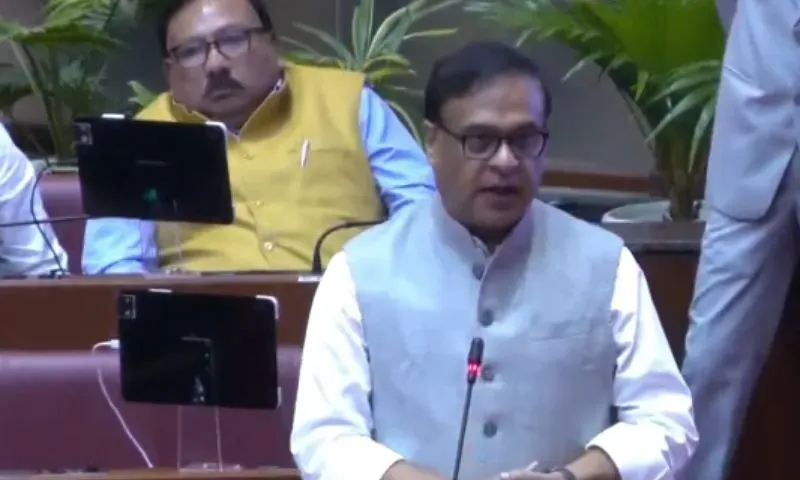
Assam Chief Minister Himanta Biswa Sarma stated that direct benefit transfer (DBT) schemes have significantly reduced the state's multidimensional poverty rate from 32.67% in 2015 to 14.47%. He emphasized DBT's effectiveness in reaching beneficiaries directly, aiming to lower poverty to single digits. Sarma credited central government support for infrastructure projects like the Kaziranga elevated corridor and Brahmaputra tunnel. He also criticized previous Congress governments for welfare delivery issues due to lack of bank accounts and Aadhaar linkage.
First-hand measurement across 2 sources
We measured how 2 outlets covered this story. Coverage leans right-leaning overall (Left 12%, Centre 28%, Right 60%). Overall sentiment is positive (75/100). Lens Score 35/100 — moderate-to-low public interest.
Outlets analysed (first-hand measurement by TBN's Bias Engine):
- northeastnow— right-leaning framing, positive sentiment
- theassamtribune— right-leaning framing, positive sentiment
AI Analysis
The articles primarily reflect the perspective of Assam's Chief Minister, emphasizing the ruling government's achievements in poverty reduction through DBT schemes and infrastructure projects. They include criticism of previous Congress administrations for welfare inefficiencies. Opposition views or independent assessments are not presented, resulting in a narrative centered on the current government's policies and claims.
The tone across the articles is generally positive toward the government's efforts, highlighting progress in poverty reduction and development projects. However, there is some critical language directed at past administrations and ideological opponents, which introduces a mildly contentious element. Overall, the sentiment remains focused on government achievements and future goals.