Skip to content
Get the Balanced News app for a better experience!
The Balanced News Logo
Analytics
The Balanced News Logo

Stay Balanced, Stay Informed

Menu
  • Browse News
  • Underreported Stories
  • Curated Feeds
  • Insights
  • Analytics
  • Our Writers
  • About Us
  • Download App
Learn
  • How It Works
  • Bias Detection
  • Lens Score
  • Source Bias Checker
  • Accountability
  • Custom Feeds
Newsroom
  • Writers & Analysts
  • About TBN
  • Editorial Standards
  • Corrections Policy
  • Our Partners
  • Insights
Socials
  • Youtube
  • Instagram
  • X
  • Facebook
News Categories
  • Trending
  • Politics
  • Sports
  • Business
  • Tech
  • Entertainment
  • Health
  • Science
  • Crime
  • Lifestyle
  • National
  • International
  • Good News
  • Crypto

Get Our App

Available for iOS and Android


LensFeedsInsightsAnalyticsTrendingGood NewsSportsPoliticsBusinessCrimeTechEntertainmentHealthNationalInternational

© 2026 The Balanced News. All rights reserved.

About UsEditorial StandardsCorrectionsHelp & SupportPrivacy PolicyTerms & Conditions
Geopolitical Tensions and Economic Policies Impact Global Energy and Market Stability
Categories

Categories

Related Coverage

Select a news story to see related coverage from other media outlets.

Related Coverage

Select a news story to see related coverage from other media outlets.

  1. Home
  2. /
  3. Politics

Geopolitical Tensions and Economic Policies Impact Global Energy and Market Stability

Analysed 4 Aug 2026·2 sources analysed·India·Politics
Geopolitical Tensions and Economic Policies Impact Global Energy and Market StabilityPreviousNext

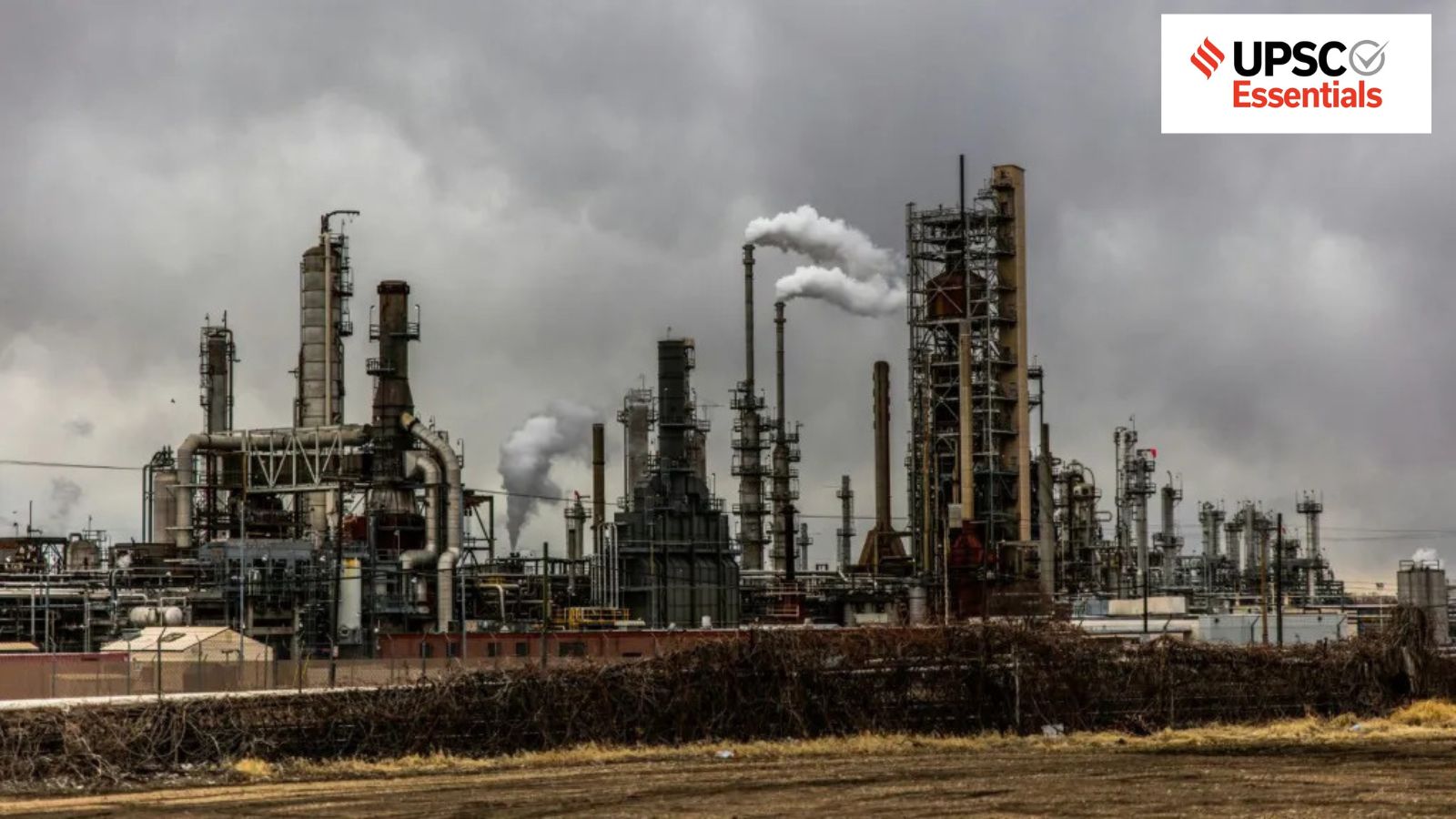
Recent geopolitical tensions in the Red Sea and the Strait of Hormuz have raised concerns about global energy supply disruptions, impacting oil prices and shipping costs. India, heavily reliant on energy imports, has implemented measures like diversified crude sources and strategic reserves to enhance energy security. Meanwhile, discussions on US Federal Reserve policies highlight market uncertainties due to changes in forward guidance, with some dissent among officials on interest rate decisions. These developments underscore the complex factors influencing energy markets and economic stability.

Sentiment
54%
TBN's observations

First-hand measurement across 2 sources

We measured how 2 outlets covered this story. No outlet gave this story a measurable political slant — there is no left–right reading to report. Overall sentiment is neutral (54/100). Lens Score 34/100.

Outlets measured: indianexpress, theprint. See how each one headlined and framed the same story in the source comparison below.

AI analysis of 2 sources · Published under editorial oversight by The Balanced News
Analysed 4 Aug 2026· How this analysis is produced· Editorial standards· Corrections

AI Analysis

Sentiment — Neutral (54/100)

Sentiment was consistent across outlets (52–55/100), indicating broadly factual reporting rather than editorialising.

Coverage timeline

theprint broke this story on 4 Aug, 11:00 am. Other outlets followed.

4 Aug, 11:00 am2 sources · 3 h4 Aug, 02:20 pm
  1. 1
AI analysis by the TBN Bias Engine · beat methodology byPrajakta Kale· Political Analyst· editorial standards byOjas Kale
← Previous
Astrologer Predicts Difficult Future for CJP Founder Abhijeet Dipke Including Possible Jail
Next →
Qatar Confirms Ongoing Mediation Efforts in US-Iran Diplomatic Talks
theprint4 Aug, 11:00 am
Why India should fear oil prices more than US Federal Reserve rate decisions
  • 2
    indianexpress4 Aug, 02:20 pm
    How a unified national framework seeks to strengthen India's future energy security
  • Who's involved

    Institutions and figures named across source coverage.

    Government
    governmentIndian governmentUS Federal Reserve

    Story context

    Category
    Politics
    Location
    India
    Sources analysed
    2
    Last analysed
    4 Aug 2026
    Key entities
    Strait of HormuzIndiaRussiaPrice of oilEthanolWestern AsiaDiesel fuelBab-el-MandebOil refineryEnergy securityLakhRenewable energy