India-EU Free Trade Agreement Nears Finalization Amid Broader FTA Trade Dynamics
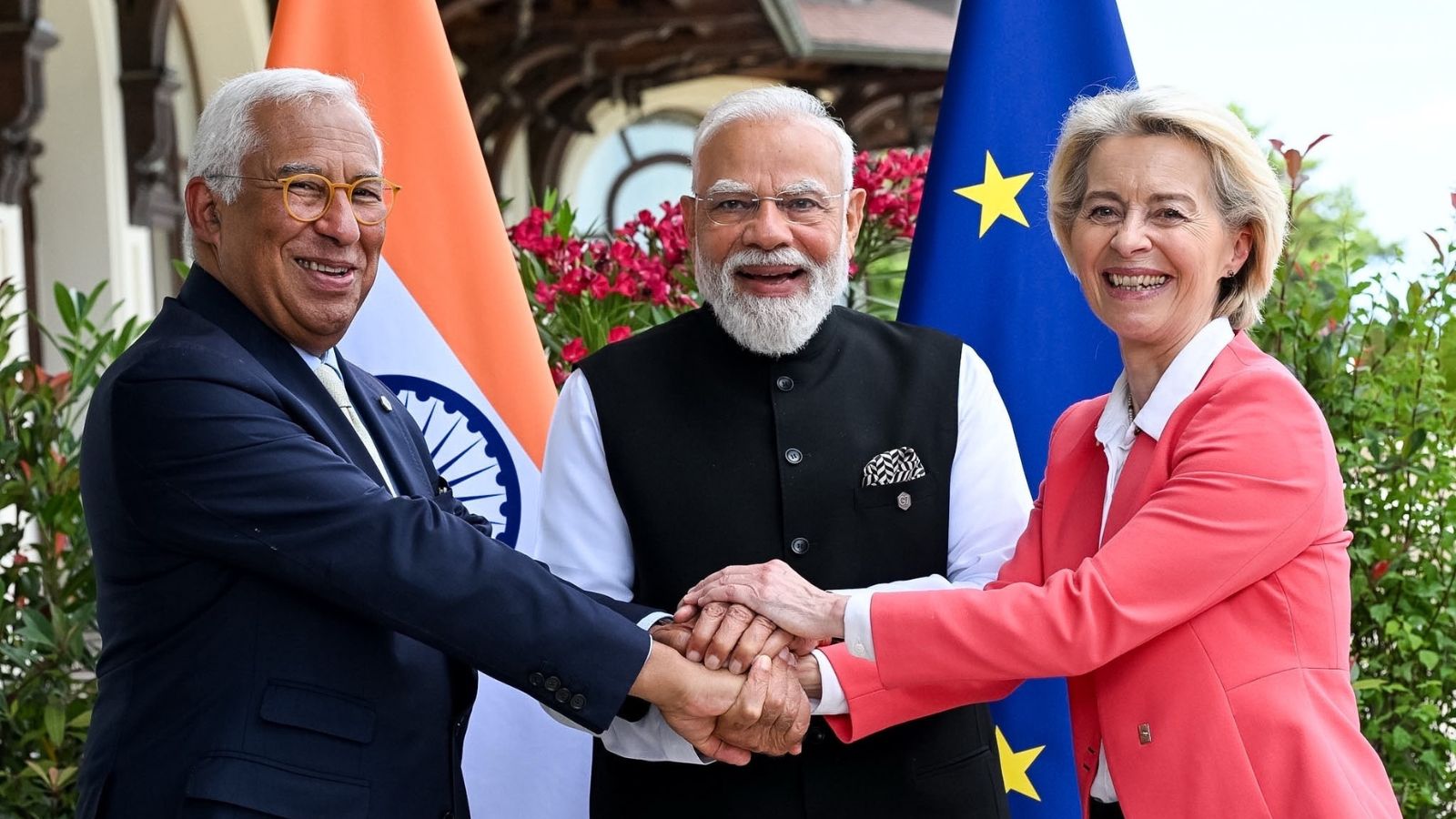
India and the European Union (EU) concluded negotiations on a Free Trade Agreement (FTA) in January 2024, aiming for enforcement by early 2027 after legal vetting and approvals. EU Ambassador Hervé Delphin highlighted the commitment to openness over protectionism. Meanwhile, India's broader FTA engagements show increased trade with partners like ASEAN, Japan, and South Korea, but also growing trade deficits, raising questions about the effectiveness of such agreements amid fluctuating export-import dynamics.
First-hand measurement across 4 sources
We measured how 4 outlets covered this story. Coverage leans balanced overall (Left 10%, Centre 84%, Right 6%). Overall sentiment is positive (69/100). Lens Score 35/100 — moderate-to-low public interest.
Outlets analysed (first-hand measurement by TBN's Bias Engine):
- businessstandard— balanced framing, positive sentiment
- indianexpress— balanced framing, positive sentiment
- indianexpress— balanced framing, positive sentiment
- theprint— balanced framing, neutral sentiment
AI Analysis
The articles present a range of perspectives including official EU and Indian government statements emphasizing progress and mutual commitment to the India-EU FTA. They also include analytical viewpoints highlighting trade imbalances in India's existing FTAs with other partners. This mix reflects both optimistic government narratives and critical economic assessments without favoring any political stance.
The overall tone is cautiously optimistic regarding the India-EU FTA's progress, underscored by official confidence in its timely implementation. However, the inclusion of data on growing trade deficits in other FTAs introduces a more critical, analytical sentiment, resulting in a balanced coverage that neither overly praises nor condemns the trade agreements.
How 4 sources covered this story
Each source's own headline, political lean, and sentiment — so you can see framing differences at a glance.