Uttarakhand Replaces Madrasa Board with Unified Minority Education Authority
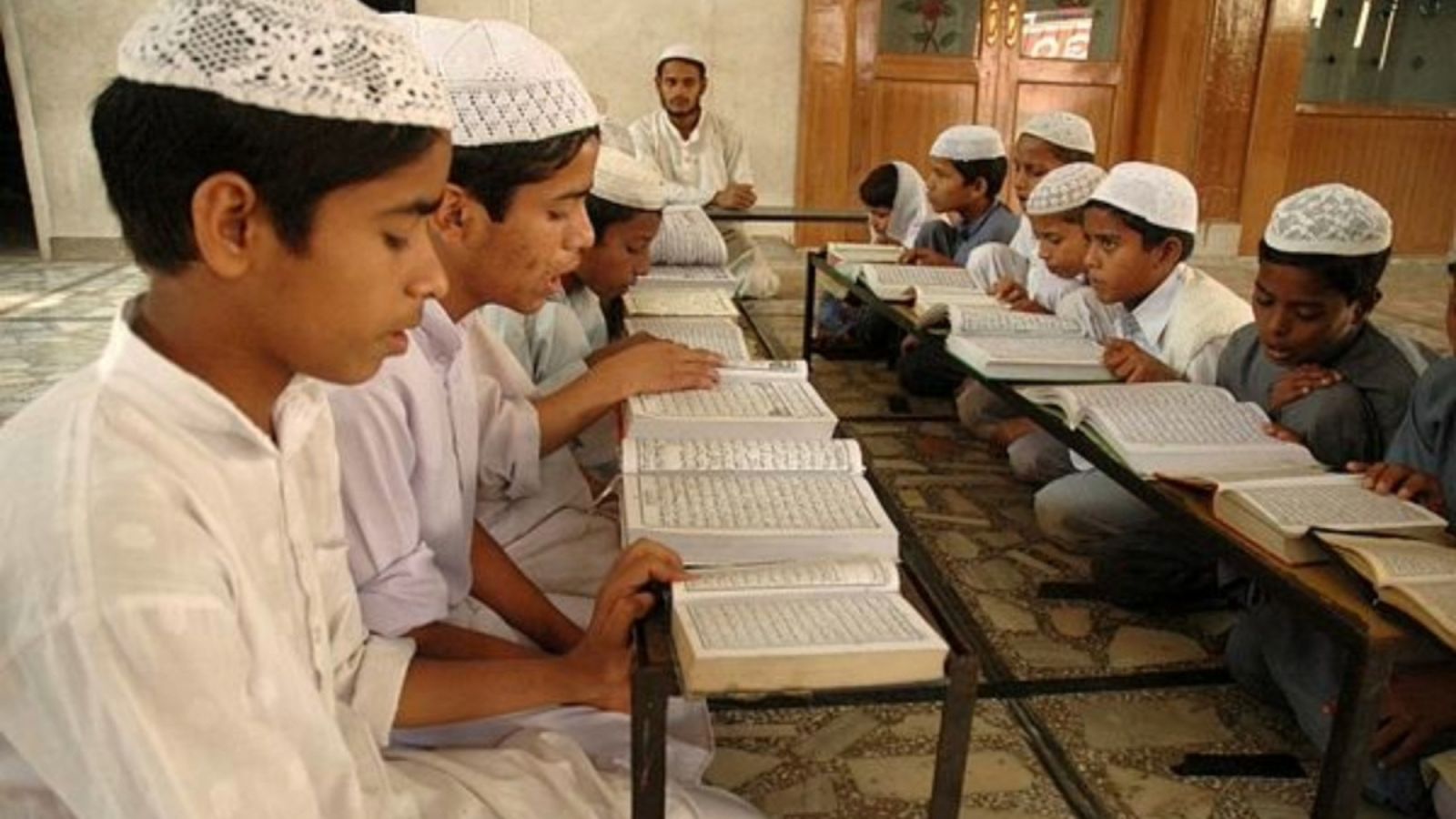
Uttarakhand has abolished its Madrasa Board, replacing it with the Uttarakhand State Authority for Minority Education (USAME), which will regulate educational institutions of all six notified minority communities: Muslims, Christians, Sikhs, Parsis, Jains, and Buddhists. The new Minority Education Act, 2025, repeals previous madrasa-specific laws and aims to unify recognition, improve teacher training, and promote modern education while preserving cultural identities. Chief Minister Pushkar Singh Dhami inaugurated USAME, emphasizing quality education and equal opportunity across communities.
First-hand measurement across 8 sources
We measured how 8 outlets covered this story. Coverage leans balanced overall (Left 12%, Centre 76%, Right 12%). Overall sentiment is positive (68/100). Lens Score 38/100 — moderate-to-low public interest.
Outlets analysed (first-hand measurement by TBN's Bias Engine):
- timesnow— balanced framing, neutral sentiment
- scrollin— balanced framing, neutral sentiment
- indiatoday— balanced framing, positive sentiment
- indianexpress— balanced framing, neutral sentiment
- indiatvnews— balanced framing, neutral sentiment
- english— centre-right framing, positive sentiment
- economictimes— right-leaning framing, positive sentiment
- freepressjournal— right-leaning framing, positive sentiment
AI Analysis
The articles present a government-led educational reform emphasizing inclusivity and modernization without overt political framing. They include official statements highlighting cultural preservation and quality education, reflecting a pro-government perspective focused on administrative changes. Opposition or critical viewpoints are absent, indicating coverage centered on the government's narrative and policy rationale.
The overall tone across the articles is neutral to positive, focusing on the government's initiative to unify minority education regulation and enhance educational quality. The coverage highlights official intentions to balance tradition with modern education, without critical or negative language. The sentiment reflects constructive reporting on policy implementation and educational reform.