European NATO Members Address Most Military Gaps Left by U.S. Ahead of Turkey Summit
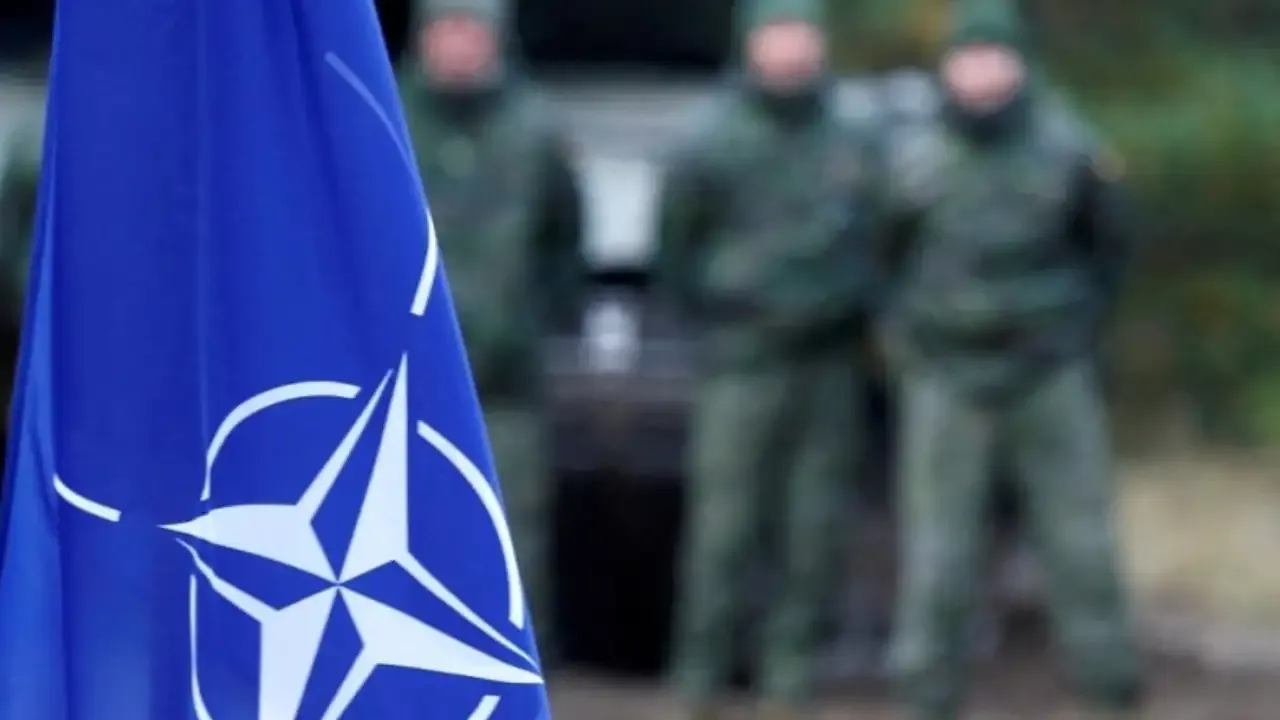
NATO's Supreme Allied Commander Europe, General Alex Grynkewich, stated that European allies have largely filled the military capability gaps created by recent U.S. reductions in forces committed to the alliance. These cuts include fewer fighter jets, drones, refuelling aircraft, and support ships. While most gaps are addressed, some areas like strategic bombers remain challenging. The adjustments aim to reduce reliance on U.S. forces amid potential simultaneous conflicts, ahead of the NATO summit in Turkey on July 7-8.
First-hand measurement across 4 sources
We measured how 4 outlets covered this story. Coverage leans balanced overall (Left 5%, Centre 93%, Right 2%). Overall sentiment is neutral (54/100). Lens Score 28/100 — low public interest.
Outlets analysed (first-hand measurement by TBN's Bias Engine):
- httpswwwoutlookindiacom— balanced framing, neutral sentiment
- indiatoday— balanced framing, neutral sentiment
- timesnow— balanced framing, neutral sentiment
- theprint— balanced framing, neutral sentiment
AI Analysis
The articles primarily present official NATO and U.S. military perspectives, emphasizing European efforts to compensate for U.S. force reductions. They reflect a transatlantic viewpoint focused on alliance readiness without partisan framing. The coverage includes statements from NATO commanders and officials, with limited critique or opposition views, maintaining a factual and institutional focus.
The overall tone is neutral to cautiously optimistic, highlighting European allies' prompt response to U.S. military cuts. While acknowledging challenges in certain capability areas, the coverage avoids alarmism, focusing on strategic adjustments and cooperation within NATO. The sentiment underscores preparedness and adaptation rather than conflict or crisis.
How 4 sources covered this story
Each source's own headline, political lean, and sentiment — so you can see framing differences at a glance.