Punjab and Haryana High Court Permits Videoconferencing for Remote Witness Testimony
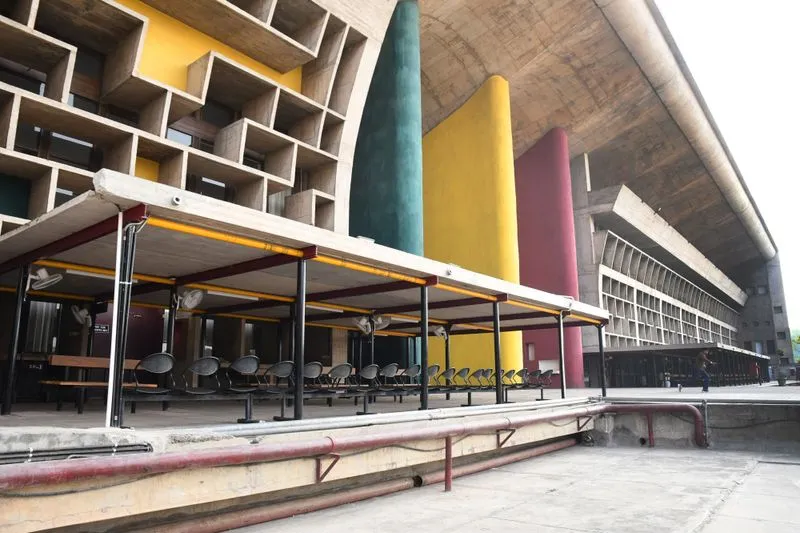
The Punjab and Haryana High Court ruled that videoconferencing should be used to record testimony when witnesses cannot travel, ensuring accessible and efficient justice. This decision overturned a Chandigarh trial court's refusal to allow a 78-year-old witness from Gurugram to testify remotely in a succession dispute involving a will from 1979. The High Court emphasized that technology in courts aims to reduce barriers without causing hardship to litigants or witnesses.
First-hand measurement across 2 sources
We measured how 2 outlets covered this story. Coverage leans balanced overall (Left 0%, Centre 100%, Right 0%). Overall sentiment is positive (68/100). Lens Score 35/100 — moderate-to-low public interest.
Outlets analysed (first-hand measurement by TBN's Bias Engine):
- thetribune— balanced framing, neutral sentiment
- thetribune— balanced framing, positive sentiment
AI Analysis
The articles present a judicial perspective focused on procedural fairness and technological facilitation in legal processes. They reflect a neutral stance emphasizing court rulings without political framing. The coverage centers on legal principles and access to justice, representing the judiciary's viewpoint without partisan commentary or political implications.
The tone across the articles is neutral to positive, highlighting the High Court's supportive stance on using technology to ease legal procedures. The coverage underscores the court's intent to make justice accessible and efficient, portraying the ruling as a practical and beneficial development without expressing criticism or controversy.
How 2 sources covered this story
Each source's own headline, political lean, and sentiment — so you can see framing differences at a glance.