Trump Threatens 100 Percent Tariffs on Countries Imposing Digital Services Tax on US Tech Firms
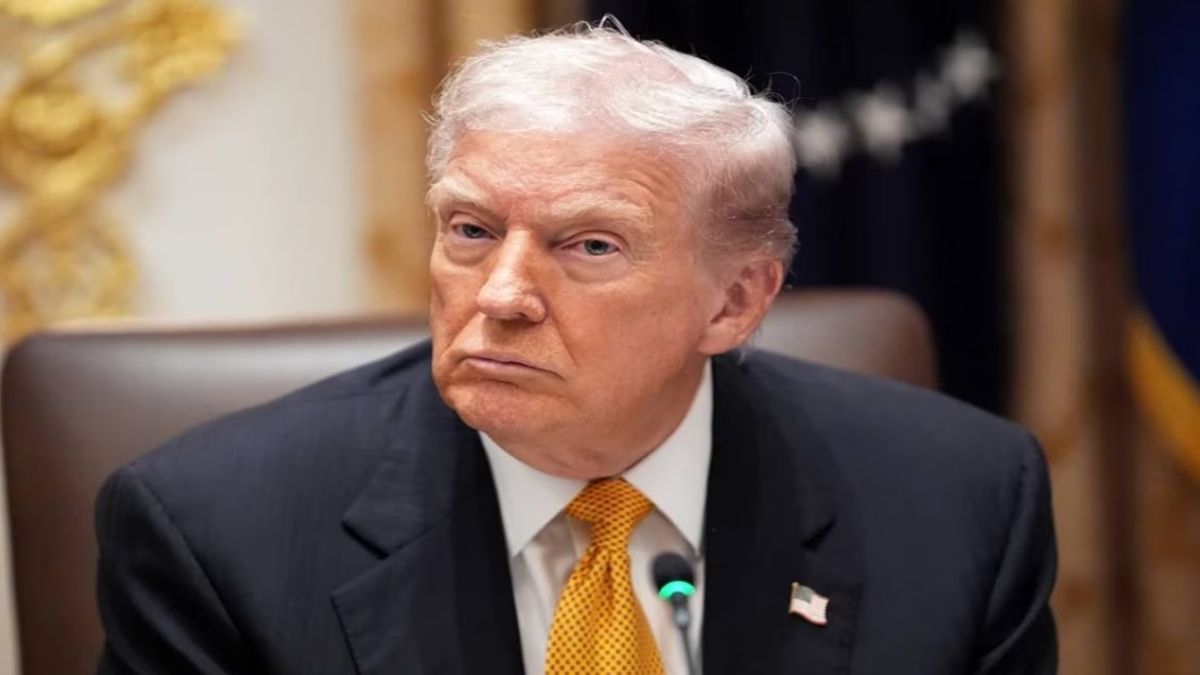
US President Donald Trump threatened a 100 per cent tariff on all goods imported from any country that imposes a digital services tax (DST) targeting American technology companies. He stated this tariff would override existing or future trade agreements, singling out several European nations considering such taxes. The warning escalates ongoing trade tensions, although India is unlikely to be affected due to its planned DST removals. European countries maintain DSTs to tax multinational digital firms where they earn revenue, while the US opposes these measures as discriminatory against its tech firms.
First-hand measurement across 14 sources
We measured how 14 outlets covered this story. Coverage leans balanced overall (Left 9%, Centre 83%, Right 8%). Overall sentiment is neutral (39/100). Lens Score 30/100 — low public interest.
Outlets analysed (first-hand measurement by TBN's Bias Engine):
- businessstandard— balanced framing, neutral sentiment
- thetelegraph— balanced framing, neutral sentiment
- indiatoday— balanced framing, neutral sentiment
- republicworld— balanced framing, neutral sentiment
- english— balanced framing, neutral sentiment
- ndtv— balanced framing, neutral sentiment
- indiatoday— balanced framing, neutral sentiment
- freepressjournal— balanced framing, neutral sentiment
AI Analysis
The article group predominantly reflects perspectives aligned with US trade policy under Trump, emphasizing his strong opposition to foreign digital taxes on American tech companies. European countries' positions are noted mainly as targets of the threat, with limited direct representation of their rationale. Indian perspectives appear as contextual exceptions. The coverage frames the issue as a trade dispute with emphasis on US economic interests and sovereignty over trade agreements.
The overall tone across the articles is cautionary and tense, highlighting escalating trade conflicts without overtly positive or negative language. The coverage conveys concern over potential economic retaliation and diplomatic friction, reflecting a mixed sentiment that underscores the seriousness of the dispute while avoiding sensationalism or alarmism.