Netanyahu Faces Political Challenges Amid U.S.-Iran Peace Deal and Regional Shifts
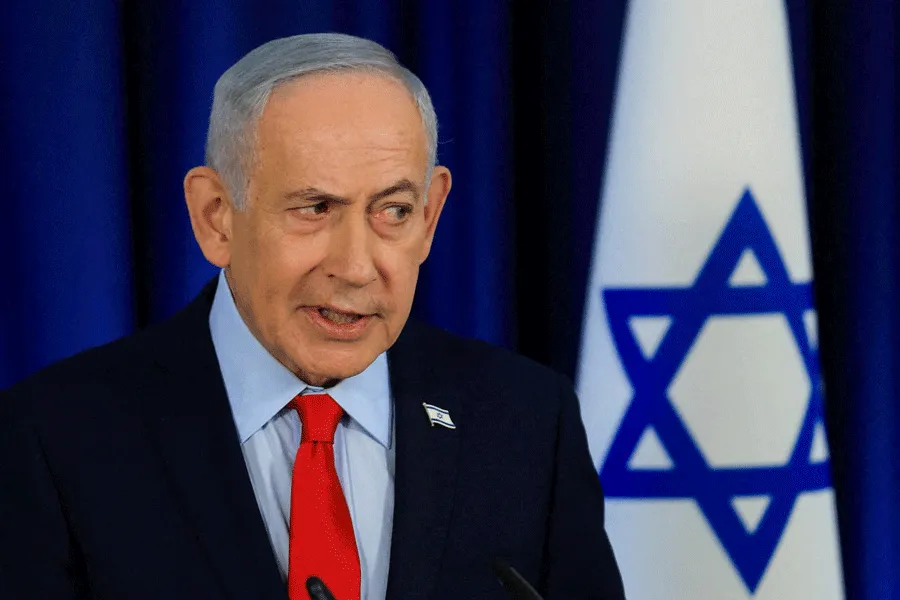
Israeli Prime Minister Benjamin Netanyahu, once seen as a key influencer of U.S. policy on Iran, faces political challenges amid a tentative U.S.-Iran peace deal. Analysts note that Netanyahu's longstanding strategy of military pressure and alignment with Washington is now constrained by the U.S. pursuit of settlement, risking his domestic support and political legacy. The deal links regional conflicts, including Lebanon and Hezbollah, complicating Netanyahu's war efforts and ambitions, while raising questions about his future leadership amid shifting alliances.
First-hand measurement across 2 sources
We measured how 2 outlets covered this story. Coverage leans balanced overall (Left 40%, Centre 52%, Right 8%). Overall sentiment is negative (31/100). Lens Score 27/100 — low public interest.
Outlets analysed (first-hand measurement by TBN's Bias Engine):
- theprint— left-leaning framing, negative sentiment
- thetelegraph— balanced framing, negative sentiment
AI Analysis
The article group presents perspectives highlighting Netanyahu's political decline due to the U.S.-Iran deal, reflecting views from analysts, former officials, and political insiders. Coverage includes both his past influence on U.S. policy and current constraints, with sources emphasizing his domestic and international challenges without overt partisan framing. The narrative balances Netanyahu's political survival skills with critiques of his overreach and the impact of shifting U.S. strategies.
The overall tone is cautiously critical, focusing on Netanyahu's diminishing influence and the political risks he faces. While acknowledging his past successes and resilience, the articles convey a sense of setback and uncertainty tied to the peace deal and regional dynamics. The sentiment is mixed, combining recognition of Netanyahu's political acumen with concerns about his current vulnerabilities and the potential consequences of the evolving U.S.-Iran relationship.