Protests Escalate in Pakistan-Occupied Kashmir as JAAC Leads March to Muzaffarabad
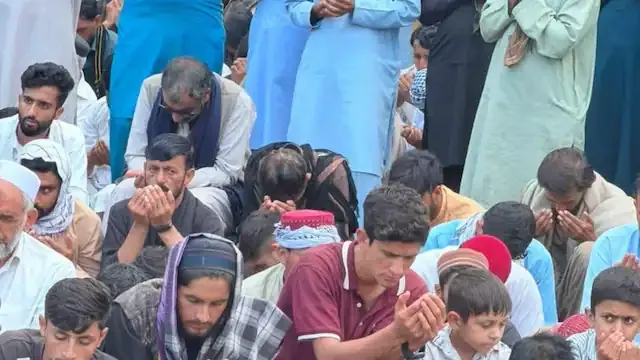
Protests in Pakistan-occupied Kashmir (PoK) have intensified over more than 40 days, with thousands joining a long march to Muzaffarabad led by the Joint Awami Action Committee (JAAC). Demonstrators demand political autonomy, economic reforms, and an end to alleged exploitation, including electricity supply at production cost and local control of hydropower royalties. Security forces have responded with force, resulting in multiple fatalities and heightened tensions. Protest leaders have challenged Pakistan's narrative by calling PoK an 'occupied territory,' while authorities have imposed restrictions and deployed thousands of personnel to contain unrest.
First-hand measurement across 15 sources
We measured how 15 outlets covered this story. Coverage leans balanced overall (Left 41%, Centre 55%, Right 4%). Overall sentiment is negative (32/100). Lens Score 39/100 — moderate-to-low public interest.
Outlets analysed (first-hand measurement by TBN's Bias Engine):
- firstpost— left-leaning framing, negative sentiment
- indiatoday— left-leaning framing, negative sentiment
- indiatoday— balanced framing, neutral sentiment
- zeenews— left-leaning framing, negative sentiment
- indiatoday— balanced framing, neutral sentiment
- english— balanced framing, negative sentiment
- timesnow— balanced framing, negative sentiment
- news18— balanced framing, neutral sentiment
AI Analysis
The article group presents perspectives primarily from protest leaders and local demonstrators challenging Pakistan's longstanding narrative on PoK, emphasizing demands for autonomy and rights. Pakistani authorities' responses, including security measures and official narratives, are also reported, though less prominently. Indian sources highlight human rights concerns and call for international accountability, reflecting regional geopolitical interests. Overall, the coverage includes viewpoints from protesters, Pakistani officials, and external observers without overt editorializing.
The overall tone across the articles is serious and tense, reflecting escalating unrest and violence in PoK. Coverage includes descriptions of protests, fatalities, and security crackdowns, conveying concern over human rights and political instability. While protester demands and grievances are detailed sympathetically, reports also note government efforts to maintain order. The sentiment is predominantly somber and urgent, with limited positive or hopeful framing.