Protests in Pakistan-Administered Kashmir Continue with Planned March to Muzaffarabad
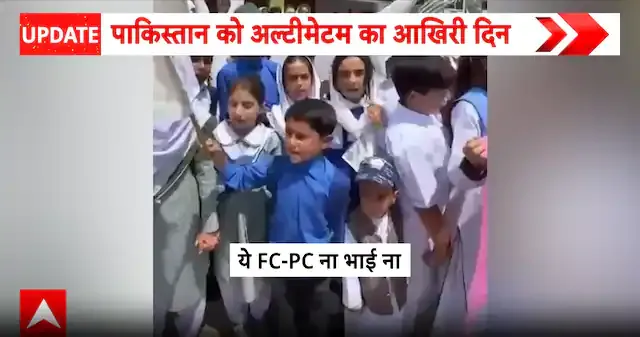
Protests in Pakistan-administered Kashmir have entered their 36th day, with Rawalakot as a key center. Demonstrators, including women and children, demand economic relief and political accountability through a 38-point charter. The Joint Awami Action Committee (JAAC) and Awami Action Committee (AAC) have called off talks with authorities and plan a long march to Muzaffarabad on July 15. Clashes with security forces have resulted in fatalities and injuries, while protest leaders assert the region is under forced occupation, challenging Pakistan's narrative.
First-hand measurement across 8 sources
We measured how 8 outlets covered this story. Coverage leans centre-left overall (Left 54%, Centre 44%, Right 2%). Overall sentiment is neutral (34/100). Lens Score 39/100 — moderate-to-low public interest.
Outlets analysed (first-hand measurement by TBN's Bias Engine):
- english— left-leaning framing, neutral sentiment
- news18— left-leaning framing, neutral sentiment
- republicworld— left-leaning framing, negative sentiment
- english— balanced framing, neutral sentiment
- zeenews— left-leaning framing, negative sentiment
- republicworld— left-leaning framing, negative sentiment
- english— balanced framing, neutral sentiment
- english— left-leaning framing, negative sentiment
AI Analysis
The articles present perspectives from protest organizers emphasizing grievances against the Pakistani administration and calls for self-governance, alongside official responses and security concerns. Coverage includes claims of government neglect and repression, as well as warnings from protest leaders to authorities. The framing reflects both the protesters' demands and the challenges faced by the regional administration, without endorsing either side.
The overall tone is serious and factual, highlighting ongoing unrest, casualties, and escalating tensions. While the coverage acknowledges protesters' grievances and determination, it also notes government warnings and security incidents. The sentiment is mixed, balancing descriptions of public dissent and state responses without emotive language or overt judgment.