NATO's Strategic Shift Spurs European Defense Collaboration and Opportunities for India
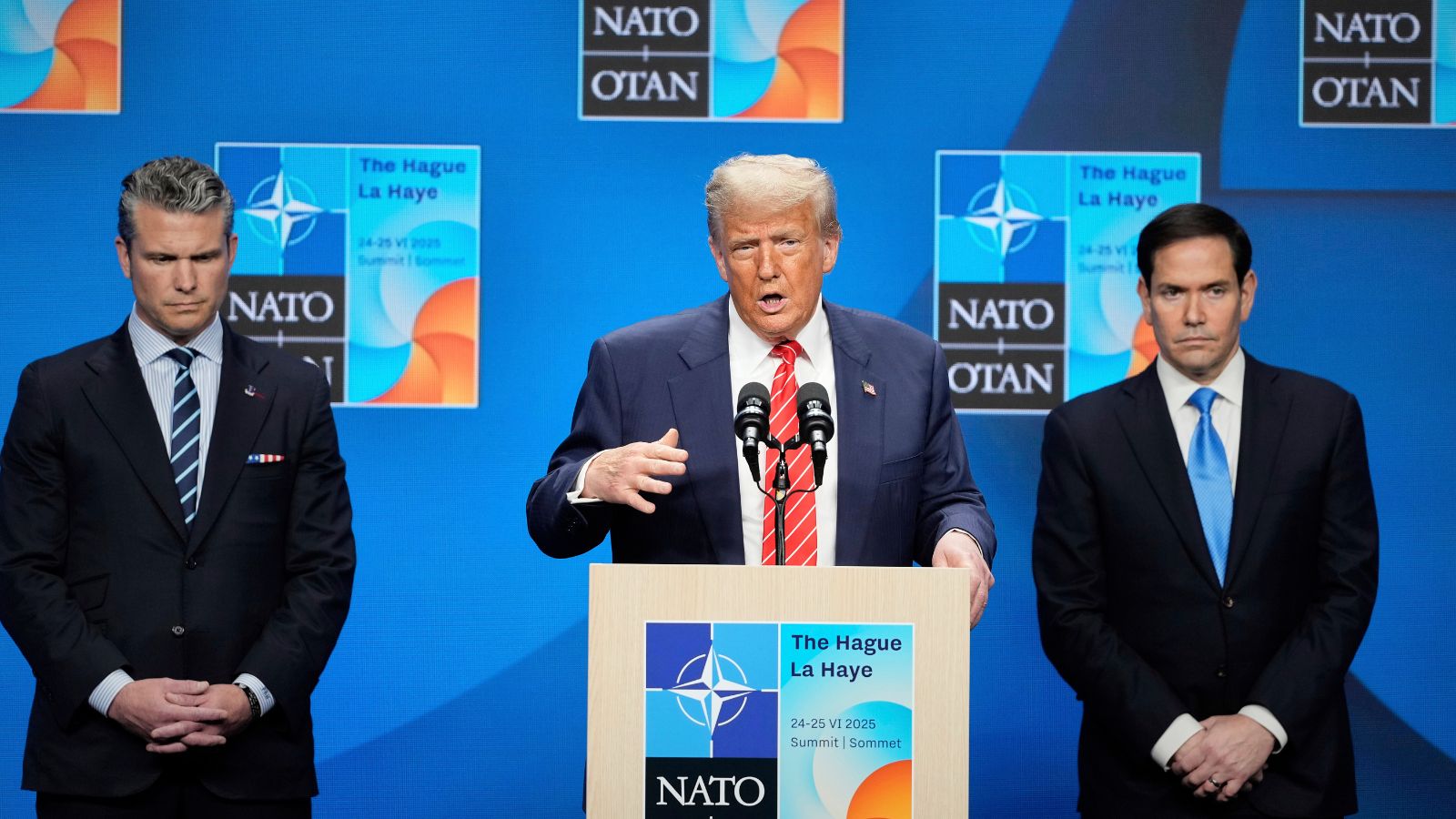
The 2026 NATO Summit in Ankara highlighted NATO's strategic transformation, emphasizing permanent deterrence against Russia and increased European defense responsibilities alongside the U.S. Europe is advancing defense self-sufficiency through initiatives like a coalition of ten nations coordinating anti-ballistic missile production to support Ukraine and reduce reliance on the U.S. These developments open opportunities for India's defense industry to engage with diversified European supply chains amid evolving global security dynamics.
First-hand measurement across 2 sources
We measured how 2 outlets covered this story. Coverage leans balanced overall (Left 10%, Centre 82%, Right 8%). Overall sentiment is positive (70/100). Lens Score 23/100 — low public interest.
Outlets analysed (first-hand measurement by TBN's Bias Engine):
- economictimes— balanced framing, positive sentiment
- indianexpress— balanced framing, positive sentiment
AI Analysis
The articles present a balanced view focusing on NATO's evolving strategy and Europe's push for greater defense autonomy without partisan framing. They highlight U.S. influence and European responses, reflecting perspectives from Western policy analysis and Indian strategic interests. The coverage emphasizes cooperation and strategic realignment rather than political controversy, representing institutional and geopolitical viewpoints.
The tone across the articles is generally neutral to cautiously optimistic, emphasizing strategic adaptation and collaboration. While acknowledging challenges such as reliance on the U.S. and security threats from Russia, the coverage highlights proactive steps by Europe and potential benefits for India, reflecting a forward-looking and constructive sentiment.
How 2 sources covered this story
Each source's own headline, political lean, and sentiment — so you can see framing differences at a glance.