Debate Over Indian Passport as Proof of Citizenship Amid Legal Clarifications
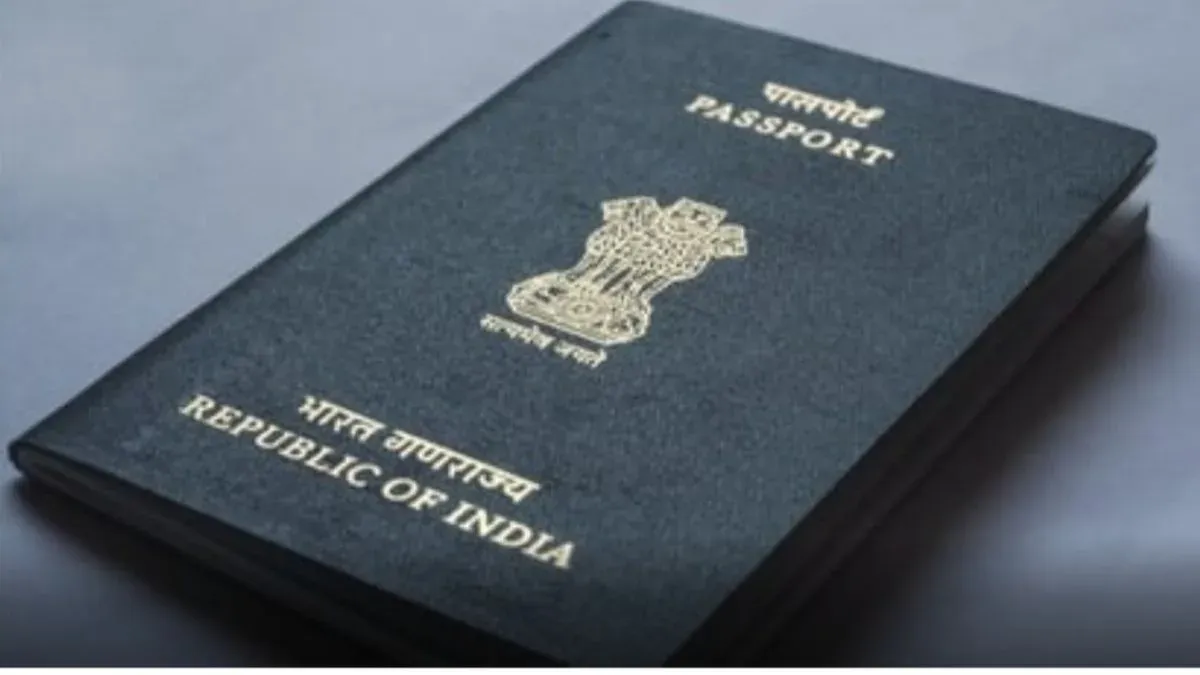
The Ministry of External Affairs clarified that an Indian passport is a travel document, not definitive proof of citizenship, reaffirming legal distinctions under the Passports Act and Citizenship Act. This statement sparked debate, with former Supreme Court judge Madan Lokur arguing it misinterprets the law and could cause constitutional and international complications. The discussion arises amid electoral roll revisions and citizenship scrutiny, highlighting ongoing questions about the criteria and proof of Indian citizenship beyond official documents.
First-hand measurement across 2 sources
We measured how 2 outlets covered this story. Coverage leans balanced overall (Left 38%, Centre 58%, Right 4%). Overall sentiment is neutral (41/100). Lens Score 38/100 — moderate-to-low public interest.
Outlets analysed (first-hand measurement by TBN's Bias Engine):
- thestatesman— balanced framing, neutral sentiment
- theprint— left-leaning framing, negative sentiment
AI Analysis
The article group presents multiple perspectives, including the government's legal stance and critiques from a former Supreme Court judge and civil society commentary. The sources reflect a range of views on citizenship law and administrative practices, with some emphasizing legal technicalities and others focusing on broader implications for citizens and electoral processes. This diversity ensures balanced representation without favoring any political ideology.
The overall tone is measured and analytical, focusing on legal interpretations and policy implications rather than emotional or sensational language. While the MEA's statement prompted concern and debate, the coverage remains neutral, presenting both the government's position and critical responses thoughtfully. The sentiment is thus mixed but professional, highlighting the complexity of citizenship issues without overt negativity or endorsement.