Europe's Air Conditioning Debate Amid Heatwaves: Infrastructure, Politics, and Environment
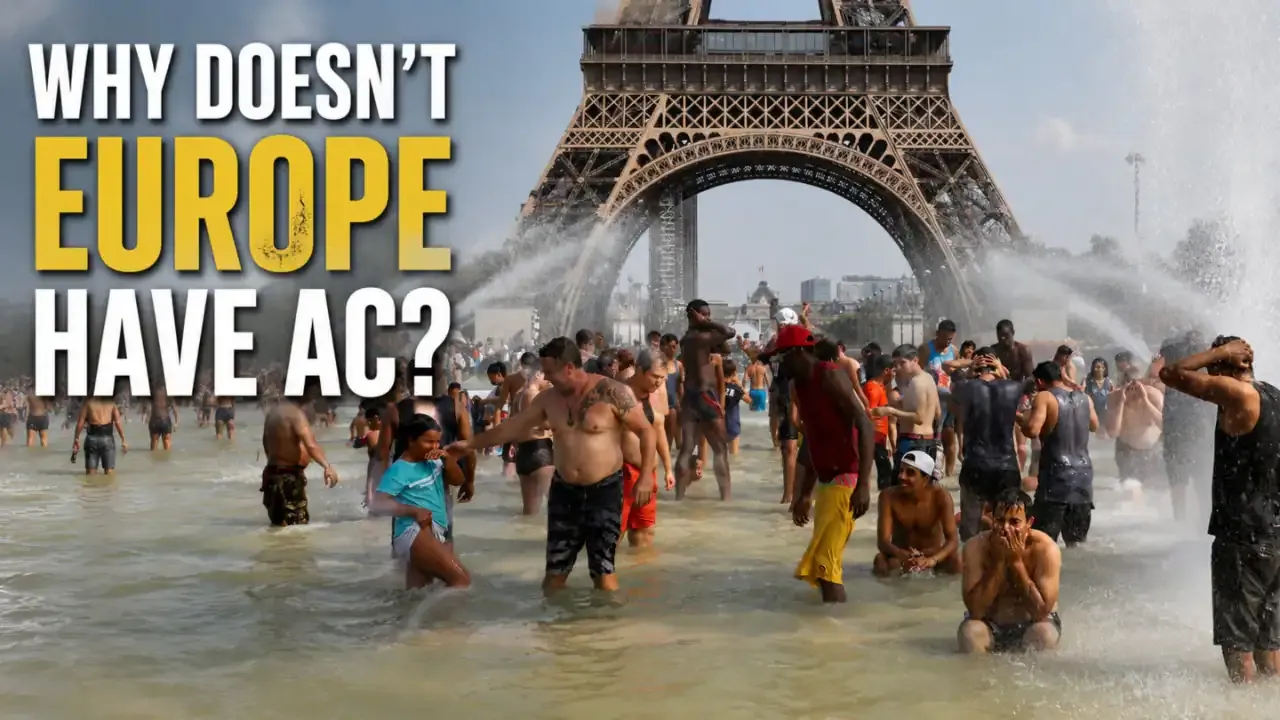
Europe faces challenges in adopting air conditioning amid record heatwaves due to historical building regulations, high installation costs, and environmental concerns. Political debate is divided, with figures like Marine Le Pen advocating wider AC use for public health, while others warn of climate impacts and heritage preservation. The EU maintains a neutral stance, emphasizing energy efficiency and housing policies without endorsing specific cooling methods. AC usage remains low compared to other regions, though demand is rising during extreme heat.
First-hand measurement across 4 sources
We measured how 4 outlets covered this story. Coverage leans balanced overall (Left 20%, Centre 75%, Right 5%). Overall sentiment is neutral (50/100). Lens Score 25/100 — low public interest.
Outlets analysed (first-hand measurement by TBN's Bias Engine):
- economictimes— balanced framing, neutral sentiment
- hindustantimes— balanced framing, neutral sentiment
- zeenews— balanced framing, neutral sentiment
- indiatoday— balanced framing, neutral sentiment
AI Analysis
The article group presents multiple political perspectives, including right-wing calls for expanded air conditioning access for health and comfort, and left-wing concerns about environmental impact and climate change. It also highlights nonpartisan views emphasizing heritage preservation and energy efficiency. The EU's neutral position reflects a reluctance to engage in the polarized debate, showing balanced representation of differing political stances.
Coverage exhibits a mixed sentiment, acknowledging the urgency of heatwaves and public discomfort while also addressing environmental and economic challenges. The tone remains factual and measured, presenting both the benefits and drawbacks of air conditioning without sensationalism. Political disagreements add complexity but are reported neutrally, resulting in an overall balanced and informative sentiment.