Supreme Court Questions Misuse of POCSO Act in Teen Relationship Cases
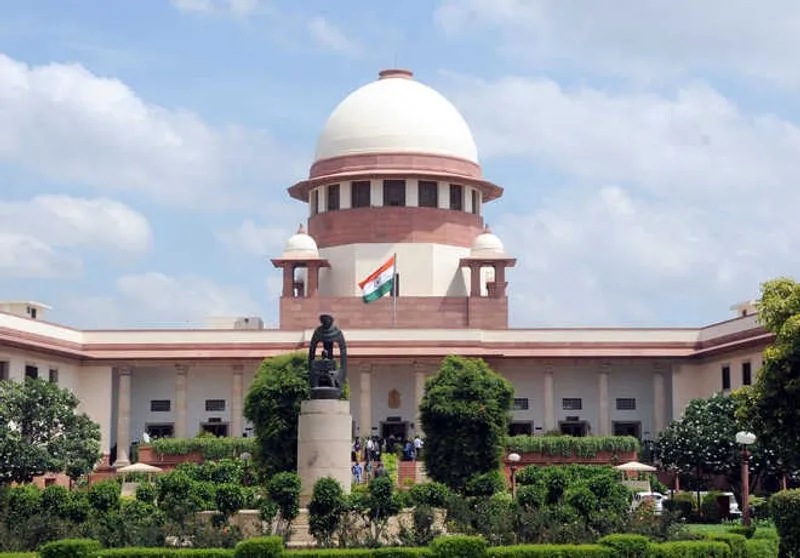
The Supreme Court questioned the misuse of the Protection of Children from Sexual Offences (POCSO) Act in cases involving consensual relationships between teenagers aged 15-18. A bench of Justices B V Nagarathna and R Mahadevan noted that parents often invoke POCSO to protect family honour when teens elope. The court highlighted adolescence as a vulnerable, experimental phase and questioned if such cases should fall under POCSO. The issue arose from a suo motu case on adolescent privacy following a 2023 Calcutta High Court ruling, which was later set aside. Senior advocate Madhavi Divan reported systemic failures in POCSO implementation and emphasized rehabilitation for minors involved.
First-hand measurement across 9 sources
We measured how 9 outlets covered this story. Coverage leans balanced overall (Left 41%, Centre 56%, Right 3%). Overall sentiment is neutral (51/100). Lens Score 39/100 — moderate-to-low public interest.
Outlets analysed (first-hand measurement by TBN's Bias Engine):
- economictimes— balanced framing, neutral sentiment
- economictimes— balanced framing, neutral sentiment
- economictimes— balanced framing, neutral sentiment
- thehindu— left-leaning framing, neutral sentiment
- news18— left-leaning framing, neutral sentiment
- hindustantimes— balanced framing, neutral sentiment
- thetelegraph— left-leaning framing, neutral sentiment
- thetribune— balanced framing, neutral sentiment
AI Analysis
The article group presents perspectives primarily from the judiciary and legal experts, focusing on the Supreme Court's scrutiny of POCSO Act application in adolescent relationships. It includes references to prior high court rulings and legal advocacy without partisan framing. The coverage reflects a legal and rights-based viewpoint emphasizing adolescent privacy and systemic issues, with no evident political party alignment or ideological bias.
The overall tone across the articles is neutral to cautiously critical, highlighting concerns about the misuse of legal provisions without assigning blame. The Supreme Court's questioning reflects a measured approach to balancing child protection with adolescent rights. The sentiment acknowledges systemic failures and the need for reform, maintaining a professional and objective narrative without emotional or sensational language.