Netanyahu Vows to Maintain Israeli Presence in South Lebanon and Prevent Iran's Nuclear Armament
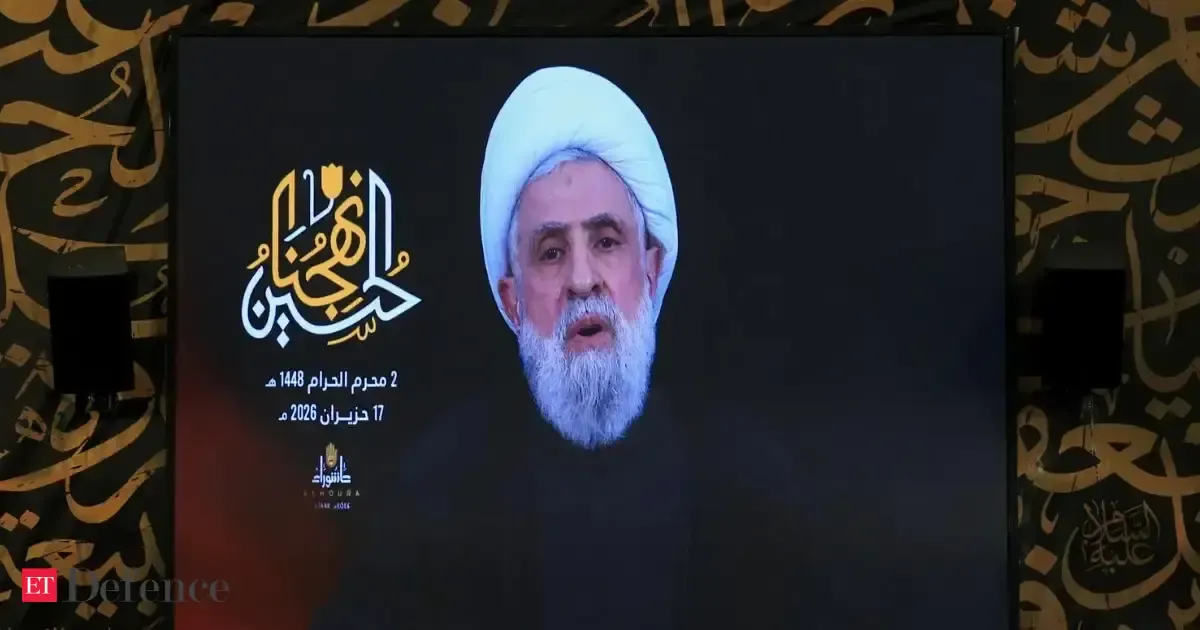
Israeli Prime Minister Benjamin Netanyahu reaffirmed that Israeli forces will remain in a security zone in southern Lebanon for as long as necessary to protect Israeli citizens amid ongoing tensions with Hezbollah. He also emphasized Israel's commitment to preventing Iran from acquiring nuclear weapons, stating this stance will not change regardless of US-Iran negotiations in Switzerland. Netanyahu rejected claims that US President Donald Trump influences his decisions, asserting both leaders act independently in their nations' interests.
First-hand measurement across 15 sources
We measured how 15 outlets covered this story. Coverage leans balanced overall (Left 7%, Centre 66%, Right 27%). Overall sentiment is neutral (48/100). Lens Score 28/100 — low public interest.
Outlets analysed (first-hand measurement by TBN's Bias Engine):
- wion— balanced framing, neutral sentiment
- ndtv— balanced framing, neutral sentiment
- thestatesman— balanced framing, neutral sentiment
- news18— balanced framing, neutral sentiment
- english— right-leaning framing, neutral sentiment
- mint— right-leaning framing, neutral sentiment
- news18— balanced framing, neutral sentiment
- republicworld— right-leaning framing, neutral sentiment
AI Analysis
The article group primarily reflects Israeli government perspectives, focusing on Netanyahu's statements regarding security and Iran's nuclear threat. It includes his rejection of perceived US influence, emphasizing national sovereignty. While Hezbollah's opposition to Israeli presence is noted, the coverage centers on Israeli official views and policy positions, with limited representation of other regional actors or dissenting opinions.
The overall tone is firm and resolute, highlighting Netanyahu's commitment to security and deterrence. Coverage is largely neutral to serious, emphasizing defense and geopolitical concerns without emotive language. The sentiment reflects a defensive posture amid ongoing regional tensions, with no overtly positive or negative bias toward any party.
How 15 sources covered this story
Each source's own headline, political lean, and sentiment — so you can see framing differences at a glance.