Delhi High Court Lawyers Extend Strike Over Proposed Increase in District Courts' Jurisdiction
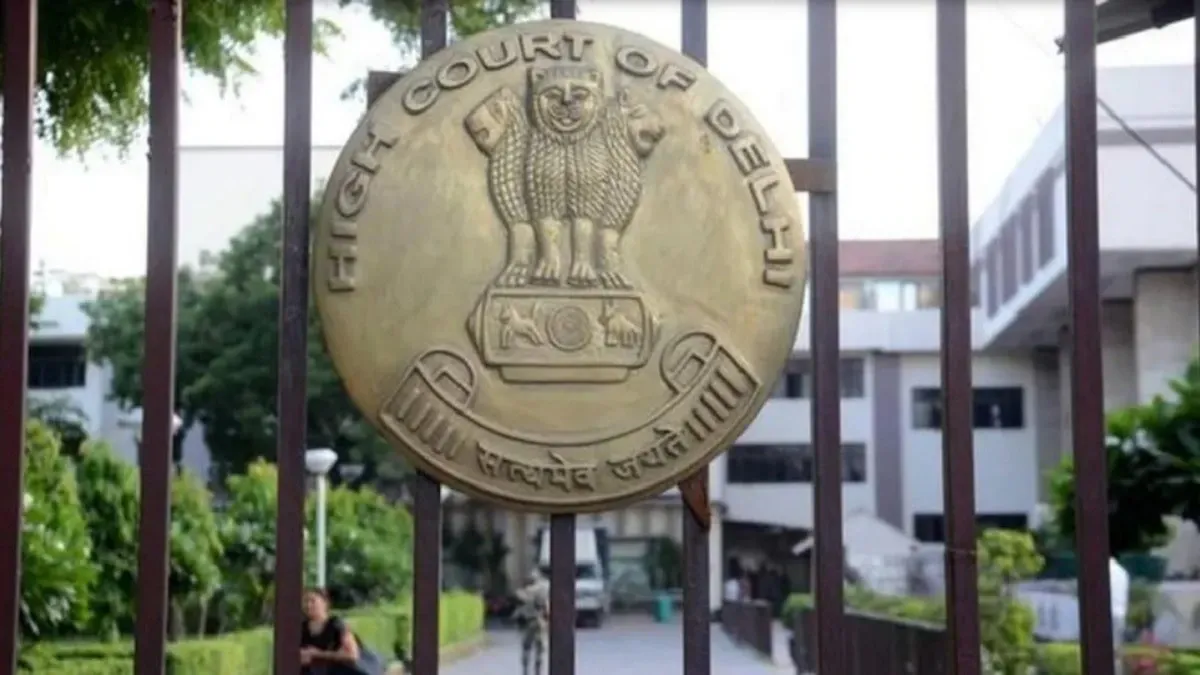
The Delhi High Court Bar Association (DHCBA) has extended its strike against a proposal to increase the pecuniary jurisdiction of Delhi's district courts from Rs 2 crore to Rs 10 crore. The DHCBA argues this change would shift about 70-80% of civil litigation, including high-value suits, from the High Court to district courts, affecting lawyers' practice and the justice delivery system. District court bar associations support the move, citing alignment with other states. The High Court's full court approved recommending the change after consultations, but the DHCBA contends it was not properly heard alongside the district courts bar.
First-hand measurement across 7 sources
We measured how 7 outlets covered this story. Coverage leans balanced overall (Left 8%, Centre 88%, Right 4%). Overall sentiment is neutral (42/100). Lens Score 32/100 — low public interest.
Outlets analysed (first-hand measurement by TBN's Bias Engine):
- news18— balanced framing, neutral sentiment
- indianexpress— balanced framing, neutral sentiment
- theprint— balanced framing, neutral sentiment
- indiatoday— balanced framing, neutral sentiment
- news18— balanced framing, neutral sentiment
- thehindu— balanced framing, neutral sentiment
- news18— balanced framing, neutral sentiment
AI Analysis
The article group presents perspectives from both the Delhi High Court Bar Association opposing the jurisdiction change and district court bar associations supporting it. Coverage includes official court actions and lawyers' associations' views without favoring either side. The framing focuses on procedural and professional concerns, reflecting institutional and stakeholder viewpoints rather than political ideologies.
The overall tone across the articles is neutral to cautious, emphasizing concerns about the impact on legal practice and justice delivery without emotive language. The strike and opposition are reported factually, while support for the proposal is noted as aligning with broader judicial practices. The sentiment reflects a professional dispute with implications for the legal community rather than a positive or negative judgment.