Defections in Regional Parties Shift Parliamentary Balance Ahead of 2029 Elections
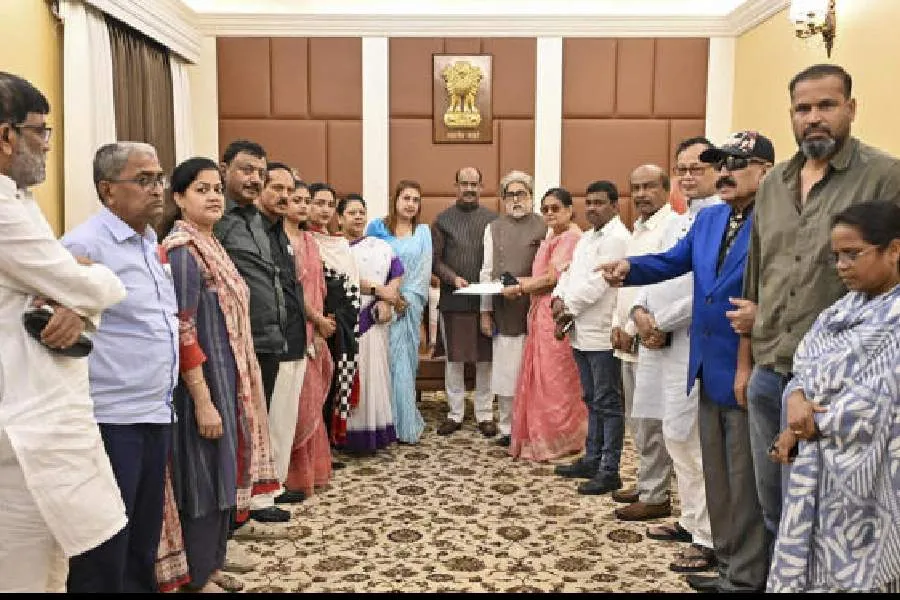
Recent defections and splits within key regional parties like the Trinamool Congress and Shiv Sena (UBT) have shifted India's political landscape, strengthening the BJP's position in Parliament. These changes, seen as part of a broader strategy to weaken regional rivals, may aid the BJP's goal of securing a two-thirds majority to pass significant legislation ahead of the 2029 elections. Meanwhile, the Congress and other opposition parties face challenges in forming effective alliances amid this fragmentation.
First-hand measurement across 2 sources
We measured how 2 outlets covered this story. Coverage leans balanced overall (Left 40%, Centre 45%, Right 15%). Overall sentiment is neutral (40/100). Lens Score 25/100 — low public interest.
Outlets analysed (first-hand measurement by TBN's Bias Engine):
- news18— balanced framing, neutral sentiment
- thetelegraph— left-leaning framing, neutral sentiment
AI Analysis
The articles present multiple perspectives, including the BJP's strategic efforts to consolidate power by weakening regional parties, opposition leaders' accusations of BJP's long-term plans, and the Congress's potential to capitalize on fragmented regional alliances. Coverage includes viewpoints from BJP supporters, opposition figures, and political analysts, reflecting a range of interpretations without endorsing any single narrative.
The overall tone across the articles is analytical and neutral, focusing on political developments and their implications without emotive language. While some sources highlight concerns about the weakening of regional parties and opposition challenges, others note strategic advantages for the BJP. The sentiment is mixed, balancing observations of political shifts with cautious assessments of future electoral impacts.