Regional Party Splits and Their Potential Impact on India's Political Landscape Ahead of 2029
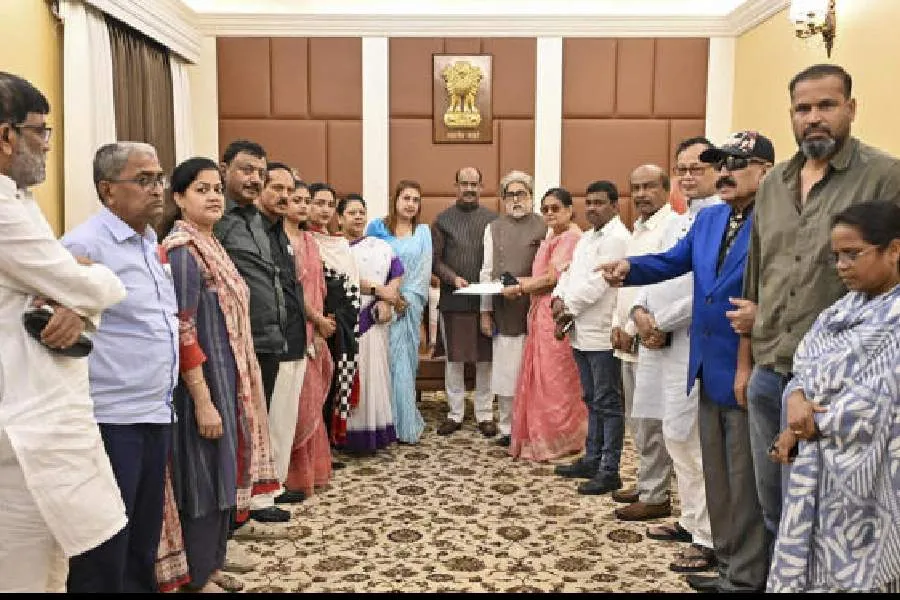
Recent internal splits and weakening of regional parties like Shiv Sena (UBT), Trinamool Congress, and Aam Aadmi Party have sparked debates on their impact on India's political landscape. The Bharatiya Janata Party (BJP) is seen by some as strategically fostering these divisions to secure a parliamentary majority and weaken opposition alliances ahead of the 2029 elections. While this fragmentation challenges regional parties, it may also present opportunities for the Congress to consolidate opposition forces, though past alliance difficulties remain a concern.
First-hand measurement across 2 sources
We measured how 2 outlets covered this story. Coverage leans centre-left overall (Left 45%, Centre 40%, Right 15%). Overall sentiment is neutral (42/100). Lens Score 25/100 — low public interest.
Outlets analysed (first-hand measurement by TBN's Bias Engine):
- news18— balanced framing, neutral sentiment
- thetelegraph— left-leaning framing, neutral sentiment
AI Analysis
The articles present perspectives highlighting BJP's strategic role in weakening regional parties, reflecting opposition viewpoints, while also acknowledging the Congress's potential to benefit from these shifts. Coverage includes critiques from opposition leaders and analysis of BJP's political objectives, offering a balanced view of the evolving dynamics without endorsing any side.
The tone across the articles is analytical and cautious, focusing on political developments without overtly positive or negative language. While concerns about fragmentation and opposition weakening are noted, the possibility of Congress capitalizing on these changes introduces a nuanced, mixed sentiment reflecting both challenges and opportunities.
How 2 sources covered this story
Each source's own headline, political lean, and sentiment — so you can see framing differences at a glance.