Pakistan's Water Concerns Amid Indus Waters Treaty Suspension and Historic River Management Challenges
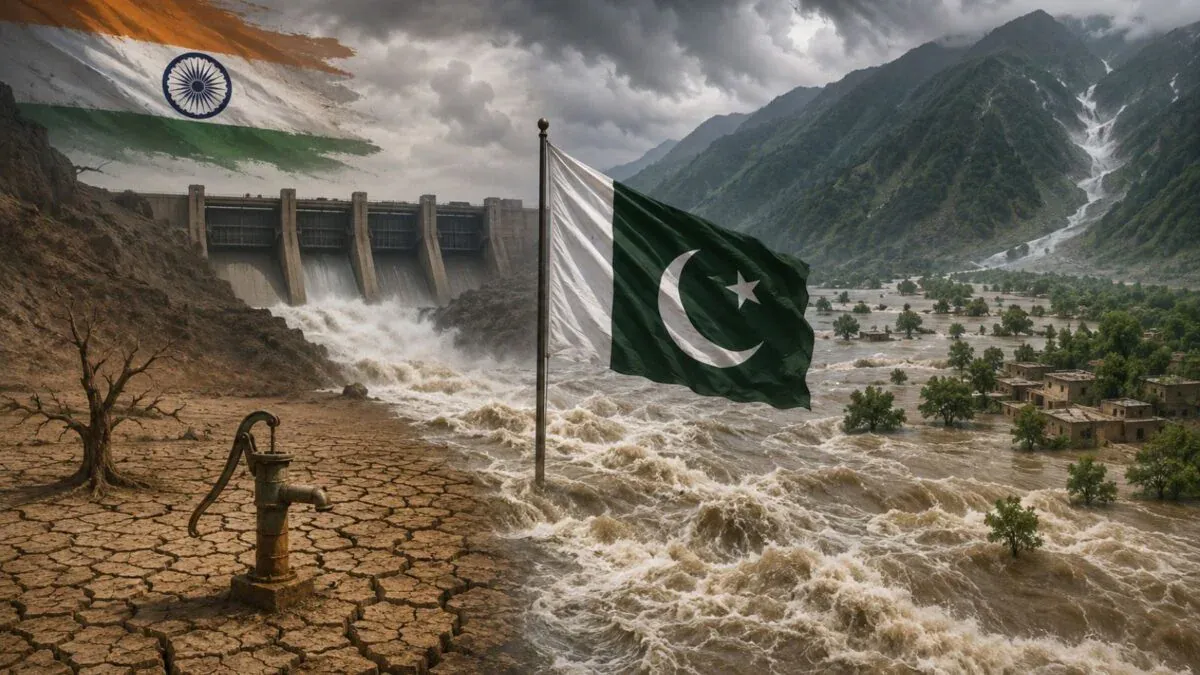
Following India's suspension of the Indus Waters Treaty after the April 2025 Pahalgam attack, Pakistani officials anticipated a severe water shortage of up to 21% during the Kharif crop season due to reduced river inflows and depleted reservoir capacity. However, unexpected floods and increased snowmelt in August 2025 alleviated these concerns by replenishing reservoirs. Meanwhile, the Indus Waters Treaty, a key framework for managing shared river resources since 1960, faces ongoing challenges amid geopolitical tensions and climate change impacts on the region's historic water systems.
First-hand measurement across 2 sources
We measured how 2 outlets covered this story. Coverage leans balanced overall (Left 10%, Centre 85%, Right 5%). Overall sentiment is neutral (50/100). Lens Score 27/100 — low public interest.
Outlets analysed (first-hand measurement by TBN's Bias Engine):
- news18— balanced framing, neutral sentiment
- news18— balanced framing, neutral sentiment
AI Analysis
The articles present perspectives focusing on Pakistan's water management challenges following India's suspension of the Indus Waters Treaty, highlighting official Pakistani concerns and responses. They also provide historical context on the treaty's significance without attributing blame, reflecting a balanced view of geopolitical and environmental complexities affecting both countries.
The overall tone is measured and factual, combining concern over potential water shortages with relief from natural events that mitigated the crisis. The historical analysis adds a neutral, informative dimension, resulting in a mixed sentiment that acknowledges both risks and resilience without sensationalism.
How 2 sources covered this story
Each source's own headline, political lean, and sentiment — so you can see framing differences at a glance.