Pakistan's Water Shortage Fears Averted by Floods Amid Indus Treaty Suspension
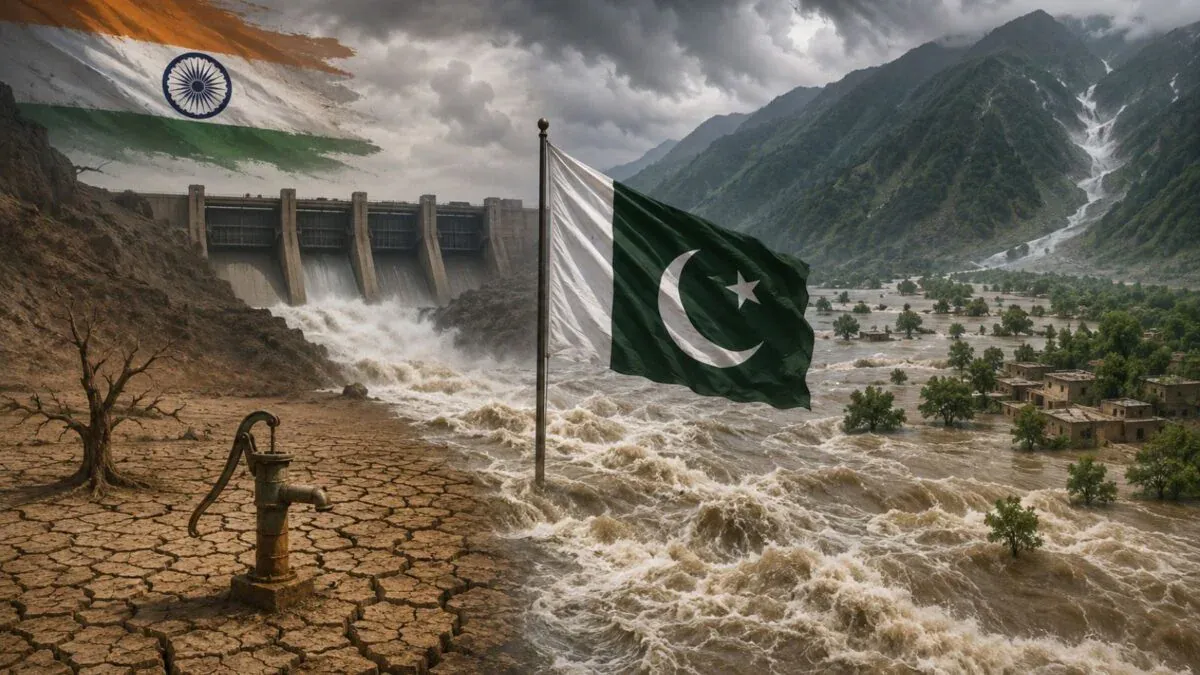
Following India's suspension of the Indus Waters Treaty after the April 2025 Pahalgam attack, Pakistani officials anticipated up to a 21% water shortage for the Kharif crop season, raising fears of an irrigation crisis. However, unexpected floods and increased snowmelt in August 2025 replenished reservoirs, averting the shortfall. Meanwhile, concerns persist over Pakistan's long-term water management, with some analysts attributing water issues to internal governance challenges and cautioning against securitizing water disputes amid ongoing domestic unrest.
First-hand measurement across 2 sources
We measured how 2 outlets covered this story. Coverage leans balanced overall (Left 13%, Centre 79%, Right 8%). Overall sentiment is neutral (35/100). Lens Score 27/100 — low public interest.
Outlets analysed (first-hand measurement by TBN's Bias Engine):
- news18— balanced framing, neutral sentiment
- news18— balanced framing, neutral sentiment
AI Analysis
The articles present multiple perspectives: official Pakistani concerns about water shortages following India's treaty suspension, and critical analyses highlighting Pakistan's internal governance and social unrest as factors in its water crisis. Coverage includes government fears, opposition narratives blaming India, and commentary on domestic challenges, reflecting a range of political viewpoints without endorsing any single stance.
The overall tone is mixed, combining apprehension about potential water shortages and treaty tensions with relief over the floods that mitigated the crisis. Opinion pieces introduce a critical and somewhat negative sentiment regarding Pakistan's internal issues and governance, while factual reports maintain a neutral tone focused on events and outcomes.
How 2 sources covered this story
Each source's own headline, political lean, and sentiment — so you can see framing differences at a glance.