Renewed Hostilities Emerge as Iran-Israel Ceasefire Collapses in Middle East
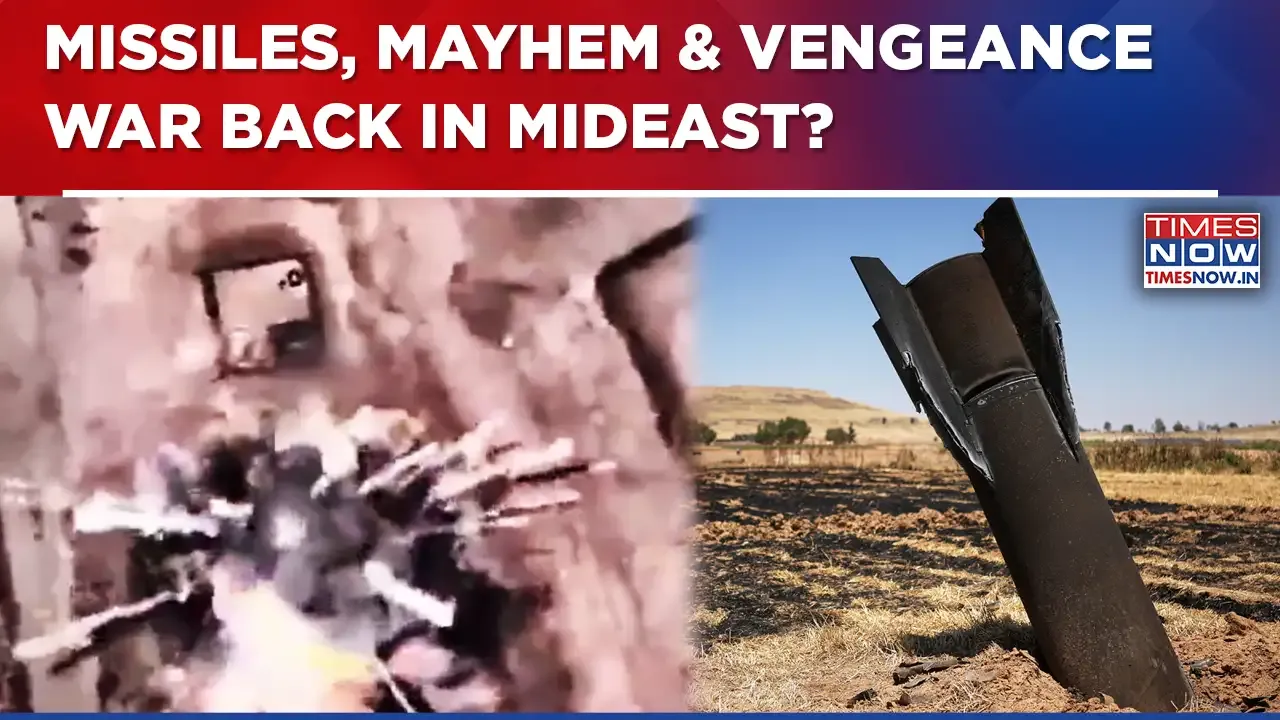
The fragile ceasefire between Iran and Israel has collapsed, leading to renewed missile attacks and retaliatory strikes across the Middle East. This escalation has raised concerns about a broader regional conflict. While Iran initiated fresh attacks, Israel responded with force, undermining hopes for de-escalation. Analysts question whether the ceasefire was only a temporary pause and consider the implications of this renewed violence for the future stability of West Asia.
First-hand measurement across 2 sources
We measured how 2 outlets covered this story. Coverage leans balanced overall (Left 0%, Centre 100%, Right 0%). Overall sentiment is negative (30/100). Lens Score 22/100 — low public interest.
Outlets analysed (first-hand measurement by TBN's Bias Engine):
- timesnow— balanced framing, negative sentiment
- timesnow— balanced framing, negative sentiment
AI Analysis
The articles primarily present a neutral overview of the Iran-Israel conflict's recent escalation without overt political bias. They focus on the sequence of events and potential regional impacts, reflecting perspectives concerned with stability and conflict dynamics rather than partisan viewpoints. The coverage does not favor either side but highlights the fragility of the ceasefire and the risks of wider conflict.
The tone across the articles is cautious and concerned, emphasizing the deterioration of peace efforts and the potential for increased violence. The sentiment is largely negative due to the focus on renewed hostilities and regional instability, though it remains measured without sensationalism, aiming to inform rather than provoke alarm.
How 2 sources covered this story
Each source's own headline, political lean, and sentiment — so you can see framing differences at a glance.