Supreme Court Directs West Bengal Ration Card Petition to Calcutta High Court
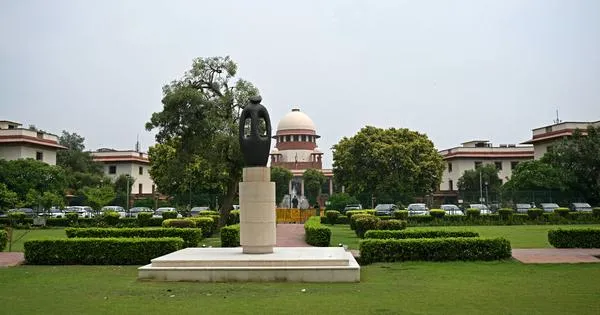
The Supreme Court on June 23, 2026, declined to hear a petition by Paschim Banga Khet Majoor Samity challenging West Bengal's linking of ration card eligibility under the Public Distribution System and Annapurna Yojana to classifications from the Special Intensive Revision (SIR) of electoral rolls. The Court directed the petitioners to approach the Calcutta High Court, noting the issue concerns welfare benefits eligibility distinct from the SIR exercise itself. The petitioner warned that 35 to 60 lakh ration cards could be affected by this linkage, raising concerns about access to subsidised food and nutrition for economically vulnerable groups.
First-hand measurement across 4 sources
We measured how 4 outlets covered this story. Coverage leans centre-left overall (Left 56%, Centre 41%, Right 3%). Overall sentiment is neutral (38/100). Lens Score 40/100 — moderate-to-low public interest.
Outlets analysed (first-hand measurement by TBN's Bias Engine):
- thetribune— balanced framing, neutral sentiment
- scrollin— left-leaning framing, neutral sentiment
- hindustantimes— balanced framing, neutral sentiment
- thehindu— left-leaning framing, neutral sentiment
AI Analysis
The articles present perspectives primarily from the petitioner, an agricultural workers' union, and the judiciary. The petitioner challenges the West Bengal government's policy linking ration benefits to electoral roll revisions, highlighting potential exclusion of vulnerable populations. The Supreme Court's response emphasizes procedural jurisdiction, directing the matter to the state High Court. Coverage focuses on legal and administrative aspects without partisan framing, reflecting institutional viewpoints and civil society concerns.
The overall tone across the articles is neutral to cautiously concerned. Reporting centers on the legal process and potential impact on welfare beneficiaries without emotive language. The petitioners express apprehension about ration denial, while the Court maintains a procedural stance. There is no overtly positive or negative sentiment; instead, the coverage balances the seriousness of the issue with judicial restraint.