MEA Clarifies Passport Is Travel Document, Not Conclusive Proof of Citizenship in India
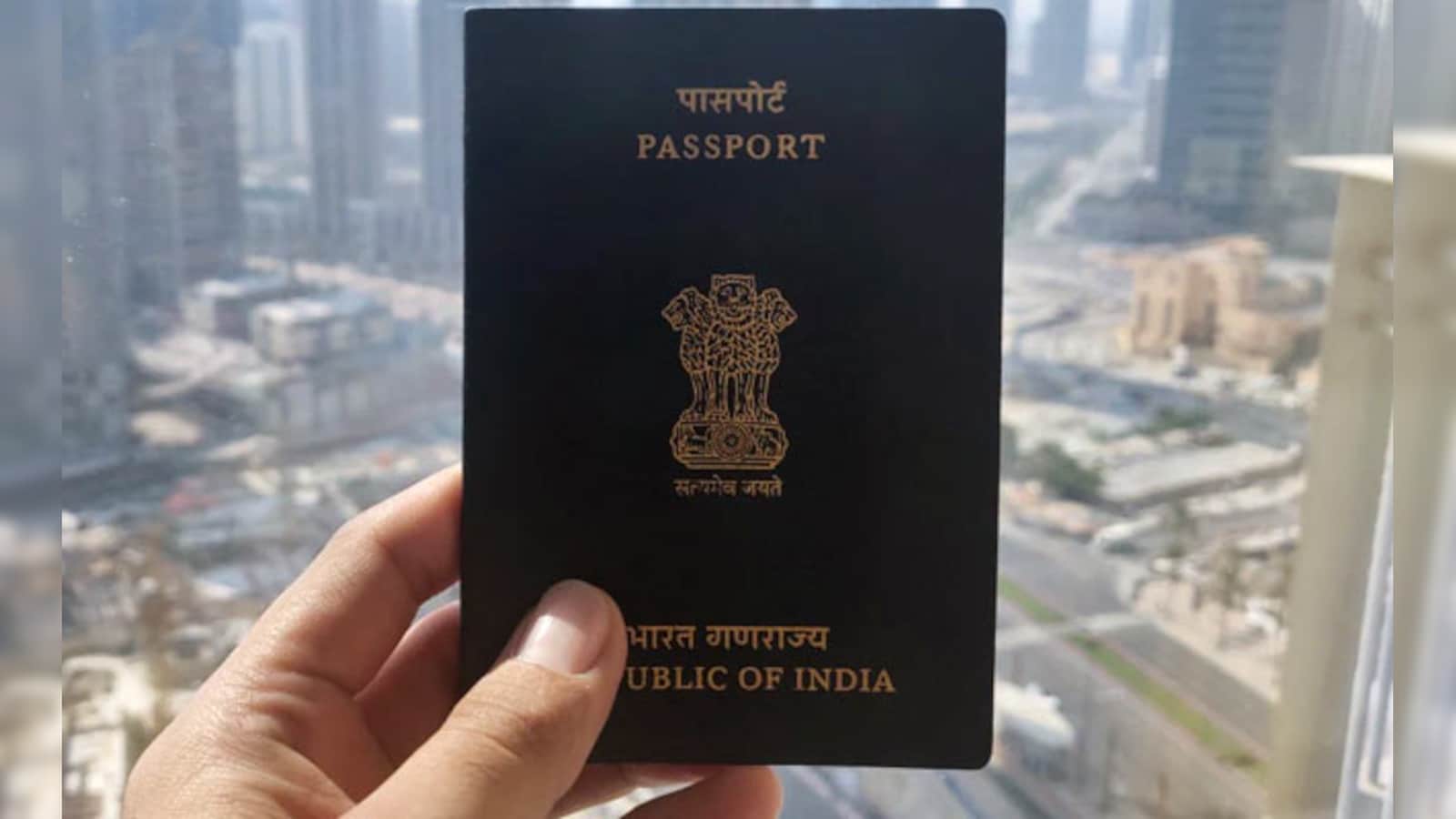
The Ministry of External Affairs (MEA) clarified that an Indian passport is primarily a travel document and not conclusive proof of citizenship, a legal position rooted in the Passports Act, 1967, distinct from the Citizenship Act, 1955. This sparked political debate and public confusion, with opposition leaders questioning what documents definitively prove citizenship. Experts and officials emphasized that passports remain strong evidence of nationality but citizenship is legally established through multiple documents and legal criteria. The Election Commission continues to accept passports as valid identity proof for voter registration, while calls grow for a unified citizenship document to resolve legal ambiguities.
First-hand measurement across 15 sources
We measured how 15 outlets covered this story. Coverage leans centre-left overall (Left 48%, Centre 47%, Right 5%). Overall sentiment is neutral (39/100). Lens Score 31/100 — low public interest.
Outlets analysed (first-hand measurement by TBN's Bias Engine):
- economictimes— balanced framing, neutral sentiment
- scrollin— left-leaning framing, negative sentiment
- thestatesman— balanced framing, neutral sentiment
- economictimes— balanced framing, neutral sentiment
- indianexpress— left-leaning framing, negative sentiment
- economictimes— left-leaning framing, negative sentiment
- economictimes— balanced framing, neutral sentiment
- ndtv— balanced framing, neutral sentiment
AI Analysis
The article group presents perspectives from government officials defending the longstanding legal position that passports are travel documents, not definitive citizenship proof, citing laws and court rulings. Opposition leaders and critics challenge this stance, expressing concerns about citizenship verification and political implications. Legal experts provide context on the distinction between passport issuance and citizenship laws. The coverage includes voices from ruling party representatives, opposition politicians, and independent analysts, reflecting a range of political viewpoints without endorsing any.
The overall tone across the articles is mixed, combining factual clarifications with public confusion and political criticism. Government sources maintain a neutral, legalistic stance, while opposition figures and some commentators express frustration and skepticism. The debate has generated concern and calls for reform, indicating a critical but constructive sentiment. Expert analyses aim to clarify misunderstandings, contributing a measured and explanatory tone amid the controversy.