MEA Clarifies Indian Passport Is Travel Document, Not Definitive Proof of Citizenship
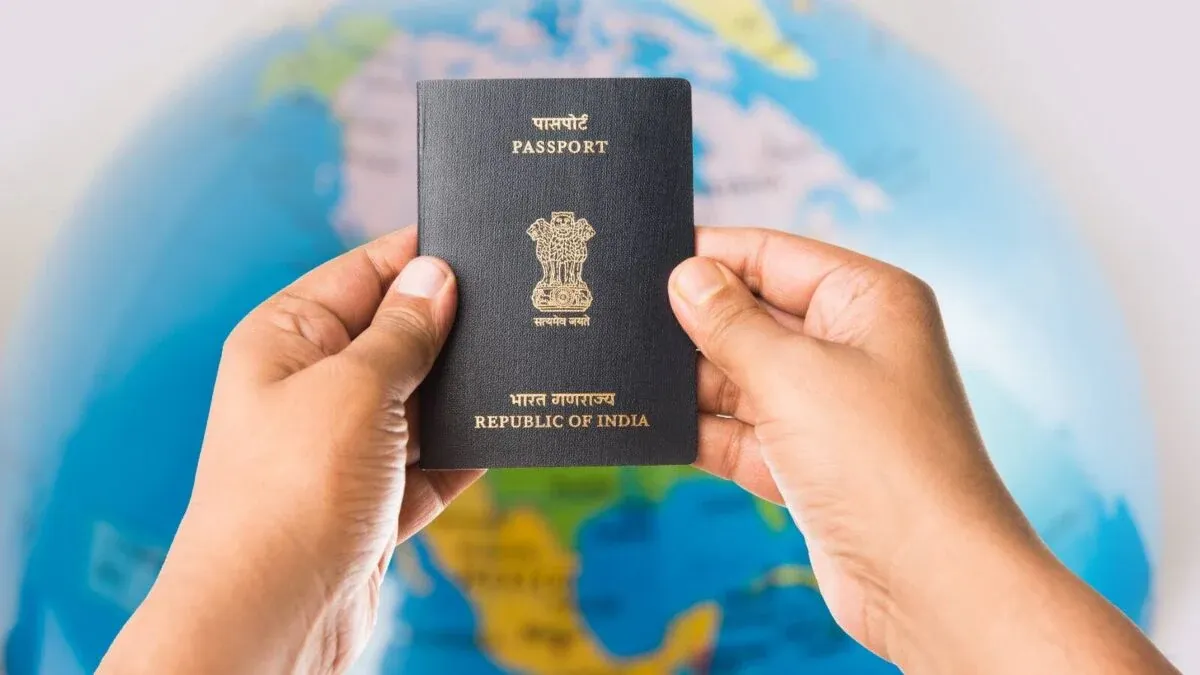
The Ministry of External Affairs (MEA) clarified that an Indian passport is primarily a travel document and not conclusive proof of citizenship, a position rooted in the Passports Act, 1967, and longstanding legal interpretations. While passports are issued only after verification to Indian citizens, the law allows issuance to non-citizens in specific cases. This clarification has sparked widespread public debate and political criticism over what documents definitively establish Indian citizenship, with experts noting that no single document serves as absolute proof under current laws.
First-hand measurement across 15 sources
We measured how 15 outlets covered this story. Coverage leans balanced overall (Left 28%, Centre 66%, Right 6%). Overall sentiment is neutral (47/100). Lens Score 31/100 — low public interest.
Outlets analysed (first-hand measurement by TBN's Bias Engine):
- ndtv— balanced framing, neutral sentiment
- news18— balanced framing, neutral sentiment
- economictimes— balanced framing, neutral sentiment
- ndtv— balanced framing, neutral sentiment
- freepressjournal— balanced framing, neutral sentiment
- news18— balanced framing, neutral sentiment
- indiatoday— balanced framing, neutral sentiment
- scrollin— left-leaning framing, negative sentiment
AI Analysis
The article group presents perspectives from government officials reaffirming the legal distinction between passports and citizenship proof, alongside opposition leaders and public figures criticizing the clarification and demanding clearer citizenship documentation. Coverage includes legal experts explaining the statutory framework and judicial precedents, reflecting a mix of official, critical, and analytical viewpoints without endorsing any side.
The overall tone across the articles is mixed, combining official clarifications and legal explanations with public confusion and political criticism. While government sources emphasize the longstanding legal position, opposition voices express concern and skepticism, leading to a contentious but fact-based discourse. The sentiment balances between informative and critical, reflecting the complexity and sensitivity of citizenship documentation in India.