Constitutional Changes and Political Evolution in Late Colonial Bengal
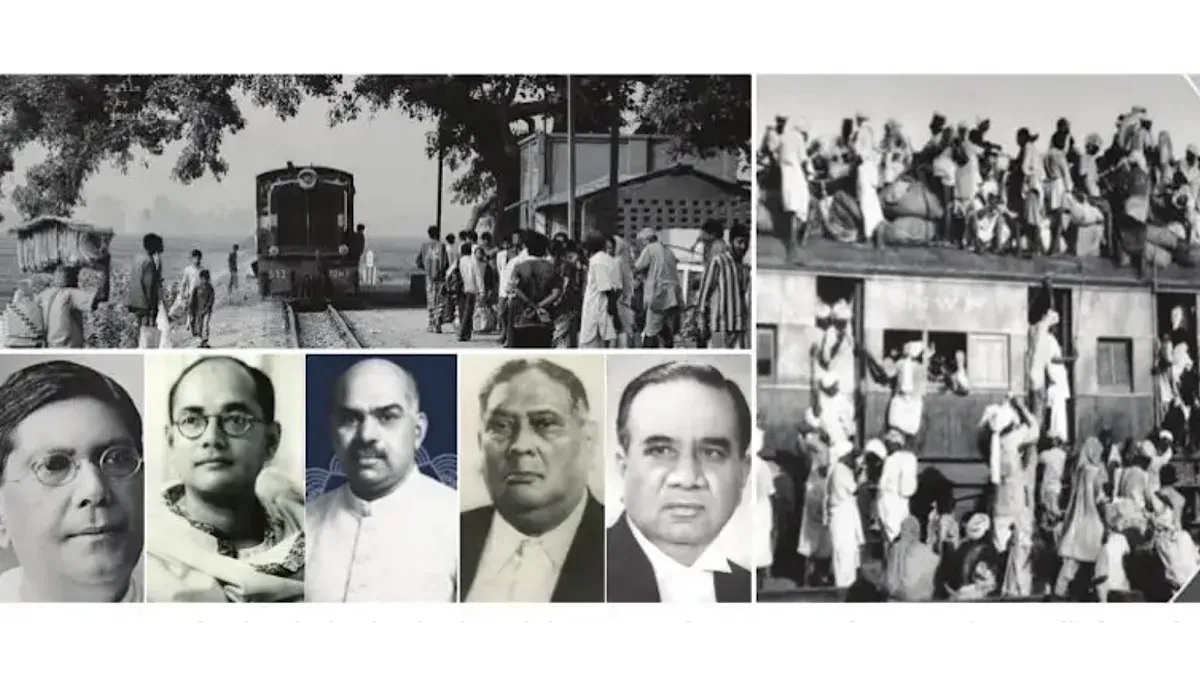
Historians have extensively studied Bengal's political history, focusing on nationalism, communalism, class, and Partition. Recent analysis emphasizes the constitutional transformation of politics between 1909 and the late 1930s, highlighting how reforms like the Morley-Minto reforms, the Communal Award of 1932, and the Government of India Act of 1935 reshaped provincial politics. These changes made coalition governments necessary and shifted leadership criteria toward negotiation within constitutional frameworks, marking a new political era in Bengal before independence.
First-hand measurement across 2 sources
We measured how 2 outlets covered this story. Coverage leans balanced overall (Left 15%, Centre 85%, Right 0%). Overall sentiment is neutral (52/100). Lens Score 24/100 — low public interest.
Outlets analysed (first-hand measurement by TBN's Bias Engine):
- thestatesman— balanced framing, neutral sentiment
- thestatesman— balanced framing, neutral sentiment
AI Analysis
The articles present a scholarly perspective emphasizing constitutional developments in Bengal's political history without partisan framing. They incorporate multiple historiographical viewpoints, including nationalist and Marxist interpretations, focusing on institutional changes rather than ideological judgments. The coverage is academic and analytical, avoiding political bias by concentrating on historical processes and political structures.
The tone across the articles is neutral and analytical, reflecting an academic approach to historical inquiry. There is no evident positive or negative sentiment; instead, the focus is on explaining complex political transformations and their implications. The language is measured and objective, suitable for a scholarly audience interested in historical and political analysis.