Iran-Gulf Conflict Raises Regional Security Concerns and Spurs Diplomatic Efforts
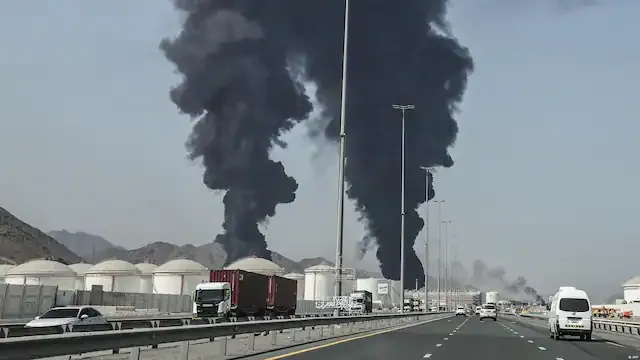
The ongoing conflict involving Iran and Gulf countries has led to numerous missile and drone attacks targeting military and civilian sites, heightening regional tensions. Gulf states, closely aligned with the US, face security challenges and seek to reduce Iran's missile capabilities. Meanwhile, India is engaging in diplomatic efforts to mitigate risks around the Strait of Hormuz, focusing on economic corridors and security partnerships. The UAE emphasizes stability and security to maintain its appeal as a global residency and investment hub amid the crisis.
First-hand measurement across 3 sources
We measured how 3 outlets covered this story. Coverage leans balanced overall (Left 7%, Centre 88%, Right 5%). Overall sentiment is neutral (58/100). Lens Score 30/100 — low public interest.
Outlets analysed (first-hand measurement by TBN's Bias Engine):
- economictimes— balanced framing, neutral sentiment
- english— balanced framing, neutral sentiment
- economictimes— balanced framing, positive sentiment
AI Analysis
The article group presents multiple perspectives, including Gulf states' security concerns, Iran's stance on regional hostility, and India's diplomatic initiatives. Coverage reflects views from regional analysts, government positions, and economic interests without favoring any side. The UAE's focus on stability highlights a pragmatic approach amid tensions, balancing security and economic priorities.
The overall tone is measured and factual, acknowledging the seriousness of the conflict and its impacts while highlighting ongoing diplomatic efforts and resilience in the Gulf. Coverage balances concerns about security threats with positive aspects such as India's strategic engagement and the UAE's maintenance of normalcy, resulting in a mixed but cautiously optimistic sentiment.
How 3 sources covered this story
Each source's own headline, political lean, and sentiment — so you can see framing differences at a glance.