Poll Shows Majority of Israelis View Iran as Winner in Recent Middle East Conflict
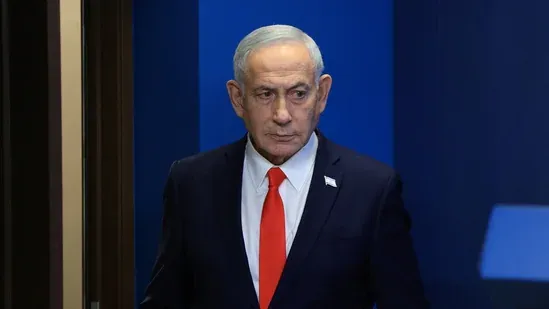
A recent poll of 3,644 Israelis conducted by Hebrew University and the Agam Institute found that 92.1% believe Iran emerged stronger from the recent Middle East conflict and US-Iran agreement. Most respondents, including Netanyahu's right-wing supporters, expressed doubts about Israel's strategic gains and criticized Prime Minister Netanyahu's handling of the war, with his approval rating dropping from 40.5% in March to 29.4% in June. Additionally, 63.2% opposed the US-Iran deal, and 82.9% felt Israel's long-term security weakened.
First-hand measurement across 5 sources
We measured how 5 outlets covered this story. Coverage leans balanced overall (Left 12%, Centre 83%, Right 5%). Overall sentiment is negative (33/100). Lens Score 28/100 — low public interest.
Outlets analysed (first-hand measurement by TBN's Bias Engine):
- timesnow— balanced framing, neutral sentiment
- economictimes— balanced framing, negative sentiment
- news18— balanced framing, negative sentiment
- english— balanced framing, negative sentiment
- hindustantimes— balanced framing, neutral sentiment
AI Analysis
The article group presents perspectives primarily from Israeli public opinion, reflecting widespread skepticism toward Prime Minister Netanyahu's leadership and the US-Iran agreement. It includes views from both opposition and right-wing supporters, highlighting a shared perception of Iran's gains. The coverage focuses on political and security implications without endorsing any side, maintaining a balanced presentation of public sentiment and political consequences.
The overall tone across the articles is critical and concerned, reflecting public dissatisfaction with the conflict's outcome and government management. While the sentiment is largely negative regarding Netanyahu's leadership and Israel's security, there is also an undercurrent of support for stronger military responses. The coverage remains factual and measured, avoiding sensationalism despite the critical public mood.