Select a news story to see related coverage from other media outlets.
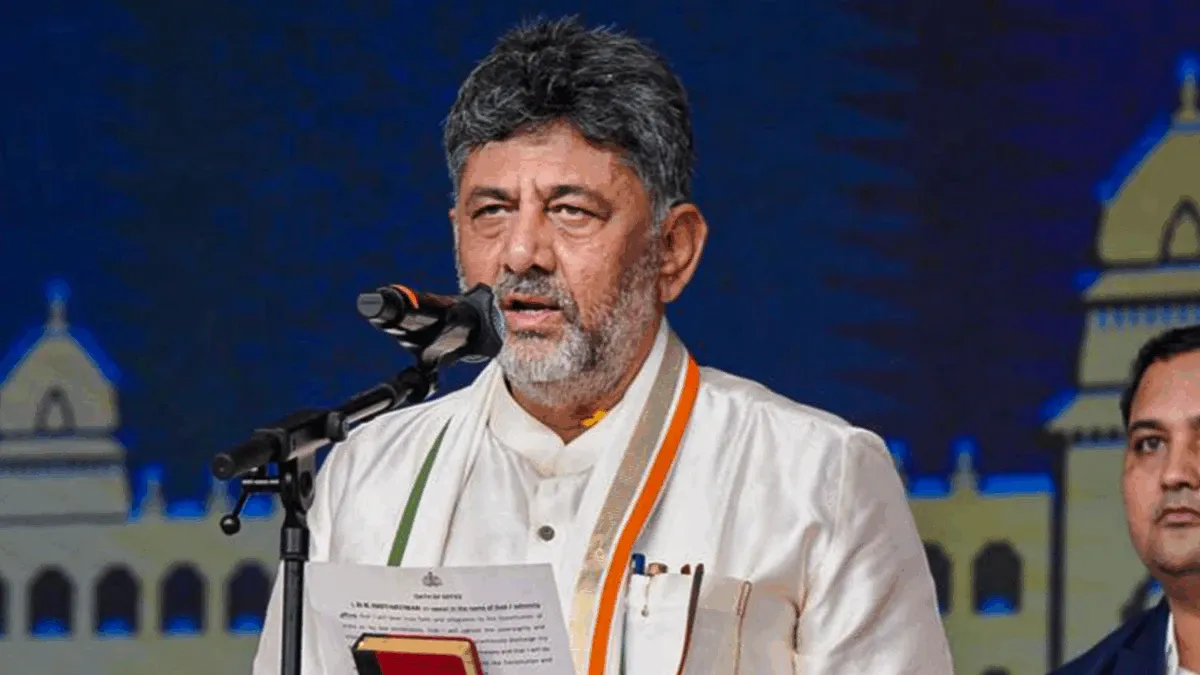
Karnataka's new Chief Minister DK Shivakumar formed a 14-member Cabinet without including any women ministers, drawing criticism from veteran Congress leader Margaret Alva, who expressed disappointment over the absence despite the party having nine women legislators. This situation highlights broader concerns about women's representation in Indian state governments. Comparatively, states like West Bengal, Tamil Nadu, Kerala, and Assam have included women in their recent Cabinets, though overall female representation remains limited nationwide.
We measured how 2 outlets covered this story. Coverage leans left-leaning overall (Left 65%, Centre 35%, Right 0%). Overall sentiment is neutral (38/100). Lens Score 34/100 — low public interest.
Outlets analysed (first-hand measurement by TBN's Bias Engine):
The articles primarily present perspectives from the Congress party, especially veteran leader Margaret Alva, who criticizes the absence of women in Karnataka's Cabinet. They also reference other states' Cabinets to provide comparative context. The coverage focuses on political representation issues without partisan framing, reflecting concerns about gender inclusion across parties.
The tone across the articles is largely critical regarding the lack of women ministers in Karnataka's Cabinet, emphasizing disappointment expressed by political figures. However, the sentiment remains measured and factual, highlighting broader systemic issues rather than assigning blame, resulting in a predominantly concerned but neutral coverage.
Each source's own headline, political lean, and sentiment — so you can see framing differences at a glance.
| Source | Their headline | Bias | Sentiment |
|---|---|---|---|
| news18 | No Woman In Karnataka Cabinet: How Do Indian States Fare On Women's Representation? | Left | Neutral |
| ndtv | "Why No Woman?" Congress Veteran Flags Gap In DK Shivakumar Cabinet | Left | Neutral |
ndtv broke this story on 4 Jun, 03:14 am. Other outlets followed.
Well-covered story — coverage matches public importance.
Institutions and figures named across source coverage.