India's Use of Yoga and Diplomacy to Shape Its Global Influence
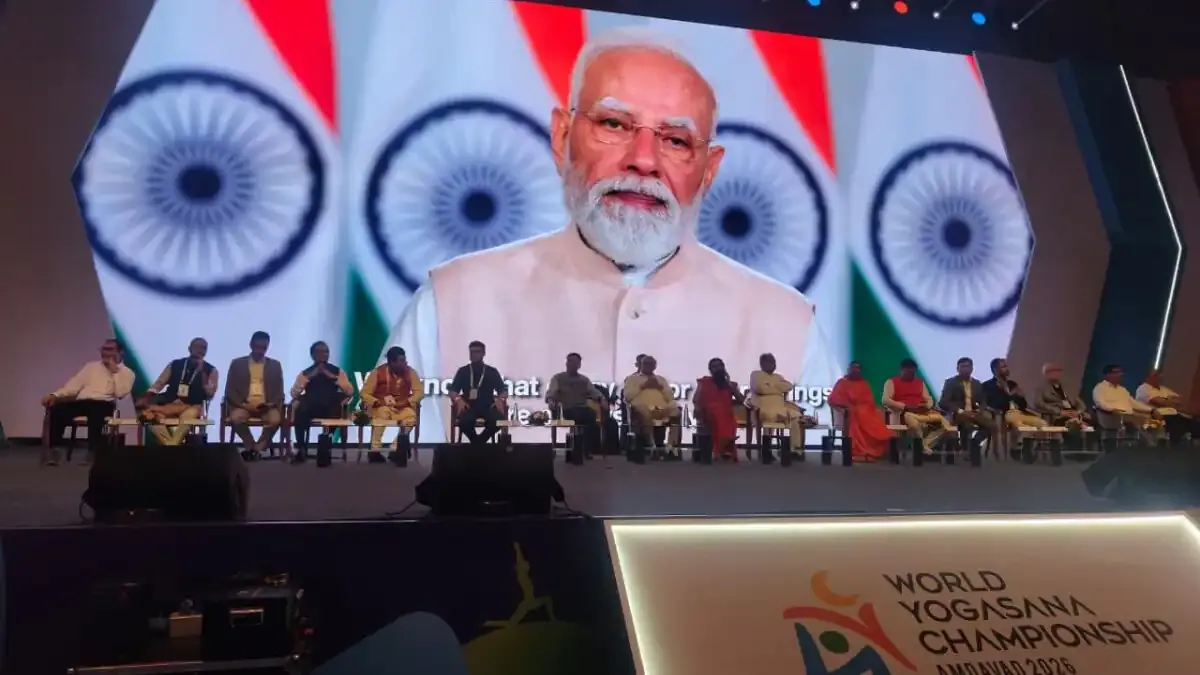
India's promotion of Yoga, highlighted by the International Day of Yoga and global events like the World Yogasana Championship, exemplifies its use of cultural soft power to enhance its international image. While Yoga serves as a non-threatening global ambassador fostering goodwill, experts note that soft power alone cannot resolve deeper political challenges, as seen in India-Bangladesh relations. Analysts emphasize the synergy between cultural diplomacy and formal statecraft in advancing India's global presence amid complex geopolitical dynamics.
First-hand measurement across 3 sources
We measured how 3 outlets covered this story. Coverage leans balanced overall (Left 13%, Centre 82%, Right 5%). Overall sentiment is neutral (62/100). Lens Score 22/100 — low public interest.
Outlets analysed (first-hand measurement by TBN's Bias Engine):
- firstpost— balanced framing, positive sentiment
- firstpost— balanced framing, neutral sentiment
- wion— balanced framing, positive sentiment
AI Analysis
The articles present a range of perspectives on India's global strategy, highlighting both the strengths of cultural soft power through Yoga and the limitations of soft diplomacy in addressing political complexities, such as bilateral tensions with Bangladesh. Sources frame the story by balancing India's cultural outreach with the realities of geopolitical challenges, reflecting a nuanced view without partisan bias.
The overall tone is mixed but measured, recognizing the positive impact of Yoga as a global cultural export while acknowledging the constraints of soft power in diplomatic relations. Coverage appreciates India's efforts to enhance its image but also critically examines the effectiveness of soft diplomacy in resolving deeper political issues, resulting in a balanced sentiment.
How 3 sources covered this story
Each source's own headline, political lean, and sentiment — so you can see framing differences at a glance.