3 hours agoPolitics
28LENS
2 SourcesIran
 thebalanced.news
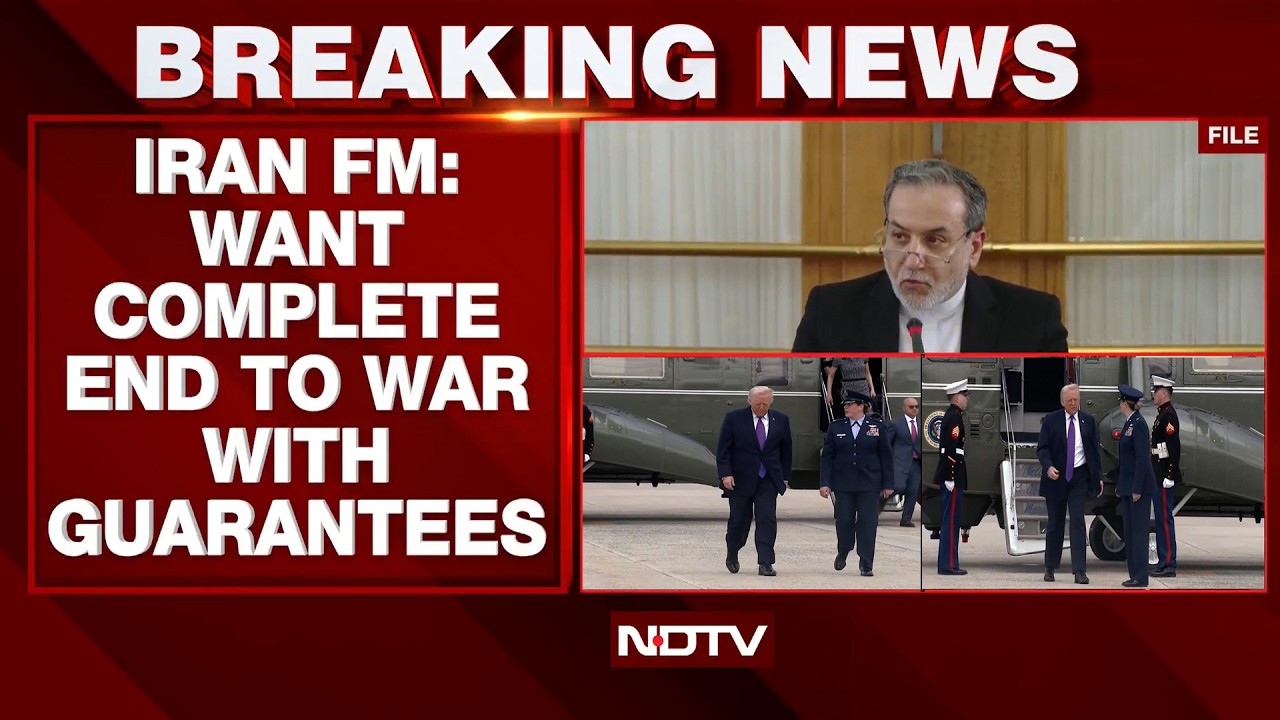
Iran Rejects Temporary Ceasefire, Calls for Permanent Conflict Resolution
Iran has rejected calls for a temporary ceasefire in the ongoing conflict, with Foreign Minister Abbas Araghchi emphasizing the need for a permanent end to hostilities accompanied by guarantees and compensation. Tehran remains open to dialogue but opposes any pause that might lead to renewed escalation, citing concerns over last year's truce followed by subsequent strikes. Diplomatic efforts continue, with countries like Oman considered potential mediators amid uncertainty over the US response.
Political Bias
0%100%0%
Sentiment
35%
21 stories available
View AI Analysis
Bias Analysis: The articles present Iran's official stance through statements by its foreign minister, focusing on Tehran's rejection of a temporary ceasefire and demand for a permanent resolution. Coverage centers on Iran's perspective and concerns about past ceasefire breaches, with limited input from other parties. The framing is factual, emphasizing diplomatic efforts without partisan interpretation.
Sentiment: The tone across the articles is neutral to cautious, reflecting ongoing tensions and diplomatic complexities. While Iran's firm position is highlighted, the coverage avoids emotive language, focusing instead on official statements and the potential for dialogue. The sentiment conveys concern over escalation but does not express overt optimism or pessimism.
Lens Score: 28/100 — Story is well-covered by media outlets. Public interest: 0/100. Coverage gap: 100%.
Related Coverage
Select a news story to see related coverage from other media outlets.