Bangladesh Strengthens Ties with China Amid Regional Strategic Shifts
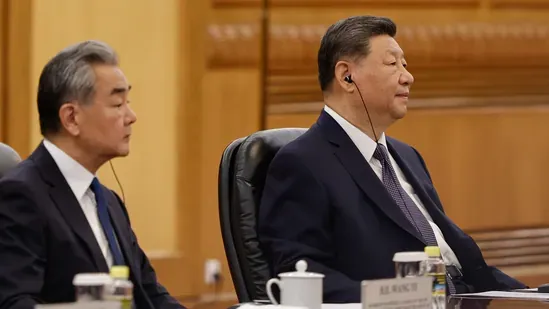
Bangladesh Prime Minister Tarique Rahman recently visited Malaysia and China, bypassing India, which has raised concerns in New Delhi about shifting regional dynamics. Rahman’s endorsement of the China-backed Teesta Barrage project signals a growing strategic partnership with China, beyond economic investment. China has expressed openness to India joining the Bangladesh-China-India-Myanmar economic corridor, though it is advancing cooperation primarily with Bangladesh and Myanmar. These developments reflect Bangladesh’s efforts to diversify partnerships amid complex regional interests and longstanding India-Bangladesh ties.
First-hand measurement across 5 sources
We measured how 5 outlets covered this story. Coverage leans balanced overall (Left 20%, Centre 70%, Right 10%). Overall sentiment is neutral (50/100). Lens Score 23/100 — low public interest.
Outlets analysed (first-hand measurement by TBN's Bias Engine):
- ndtv— balanced framing, neutral sentiment
- firstpost— balanced framing, neutral sentiment
- hindustantimes— balanced framing, neutral sentiment
- ndtv— balanced framing, positive sentiment
- english— right-leaning framing, negative sentiment
AI Analysis
The articles present multiple perspectives, including Indian concerns over Bangladesh’s China engagement and Bangladesh’s strategic motivations. Indian sources emphasize potential risks to India’s regional influence, while Chinese and Bangladeshi viewpoints highlight economic cooperation and openness to India’s participation. The coverage balances geopolitical apprehensions with diplomatic statements, reflecting a range of regional stakeholder positions without endorsing any particular narrative.
The overall tone is measured and analytical, combining cautious concern from Indian perspectives with neutral reporting on Bangladesh’s foreign policy choices and China’s diplomatic openness. There is no overtly positive or negative sentiment; instead, the articles focus on the implications of shifting alliances and infrastructure projects, maintaining a balanced and factual approach to a complex geopolitical issue.