Bangladesh's China Visit and Nepal-India Relations Reflect Shifting South Asian Dynamics
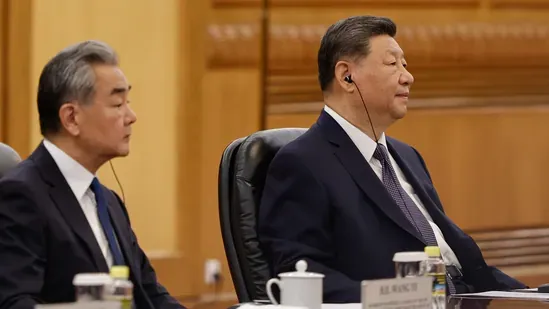
Bangladesh Prime Minister Tarique Rahman's recent visits to Malaysia and China, bypassing India, have sparked varied interpretations. Some view this as a strategic shift towards closer China-Bangladesh ties, including agreements on port development and defense cooperation, potentially impacting regional dynamics. Others caution against overinterpreting visit sequences, emphasizing economic motivations and longstanding regional patterns. Meanwhile, Nepal's political stability under a new majority government offers prospects for balanced relations with India amid evolving geopolitical realities in South Asia.
First-hand measurement across 3 sources
We measured how 3 outlets covered this story. Coverage leans balanced overall (Left 17%, Centre 55%, Right 28%). Overall sentiment is neutral (52/100). Lens Score 23/100 — low public interest.
Outlets analysed (first-hand measurement by TBN's Bias Engine):
- hindustantimes— balanced framing, neutral sentiment
- ndtv— balanced framing, positive sentiment
- english— right-leaning framing, negative sentiment
AI Analysis
The articles present multiple perspectives: one downplays the significance of Bangladesh's China visit, framing it as routine and economically driven; another highlights a strategic realignment favoring China with implications for India; the third focuses on Nepal's internal political developments and their impact on India-Nepal relations. This mix reflects viewpoints ranging from cautious analysis to concern over regional power shifts, without overt partisan framing.
The overall tone is measured and analytical, combining cautious skepticism about overreading diplomatic visits with recognition of potential strategic consequences. Coverage balances neutral reporting of facts with opinionated interpretations, resulting in a mixed sentiment that neither celebrates nor condemns the developments but underscores their complexity and regional significance.