Skip to content
Get the Balanced News app for a better experience!
The Balanced News Logo
Analytics
The Balanced News Logo

Stay Balanced, Stay Informed

Menu
  • Browse News
  • Underreported Stories
  • Curated Feeds
  • Insights
  • Analytics
  • Our Writers
  • About Us
  • Download App
Learn
  • How It Works
  • Bias Detection
  • Lens Score
  • Source Bias Checker
  • Accountability
  • Custom Feeds
Newsroom
  • Writers & Analysts
  • About TBN
  • Editorial Standards
  • Corrections Policy
  • Our Partners
  • Insights
Socials
  • Youtube
  • Instagram
  • X
  • Facebook
News Categories
  • Trending
  • Politics
  • Sports
  • Business
  • Tech
  • Entertainment
  • Health
  • Science
  • Crime
  • Lifestyle
  • National
  • International
  • Good News
  • Crypto

Get Our App

Available for iOS and Android


LensFeedsInsightsAnalyticsTrendingGood NewsSportsPoliticsBusinessCrimeTechEntertainmentHealthNationalInternational

© 2026 The Balanced News. All rights reserved.

About UsEditorial StandardsCorrectionsHelp & SupportPrivacy PolicyTerms & Conditions
India Faces Legal and Democratic Challenges in Immigration and Voter Inclusion
Categories

Categories

Related Coverage

Select a news story to see related coverage from other media outlets.

Related Coverage

Select a news story to see related coverage from other media outlets.

  1. Home
  2. /
  3. Politics

India Faces Legal and Democratic Challenges in Immigration and Voter Inclusion

Reviewed byPrajakta Kale· Political Analyst· Edited byOjas Kale
Analysed 11 Jun 2026·2 sources analysed·Bihar, India·Politics
India Faces Legal and Democratic Challenges in Immigration and Voter InclusionPreviousNext

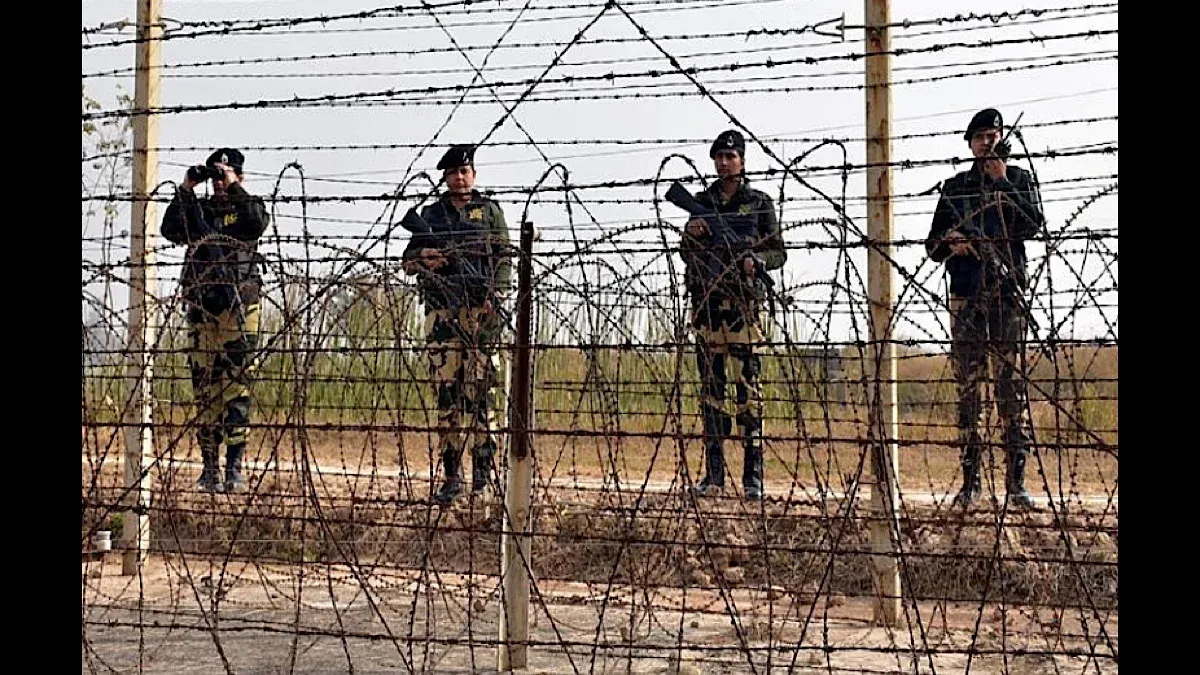
Recent developments in India highlight challenges in constitutional rights and democratic inclusion. The Ministry of Home Affairs' 2025 circular and new Immigration and Foreigners Act establish holding centres and deportation mechanisms for certain foreign nationals, raising concerns about detention and legal oversight. Concurrently, the Supreme Court's 2025 judgment on electoral rolls underscores issues of voter disenfranchisement, exemplified by cases like Fatima Khatun's removal from voter lists, reflecting tensions between administrative processes and constitutional guarantees of inclusion.

TBN's observations

First-hand measurement across 2 sources

We measured how 2 outlets covered this story. Coverage leans left-leaning overall (Left 70%, Centre 25%, Right 5%). Overall sentiment is negative (25/100). Lens Score 28/100 — low public interest.

Outlets analysed (first-hand measurement by TBN's Bias Engine):

  • thestatesman— left-leaning framing, negative sentiment
  • thestatesman— left-leaning framing, negative sentiment
Political Bias
70%25%5%
Sentiment
25%
AI analysis of 2 sources · Published under editorial oversight by The Balanced News
Analysed 11 Jun 2026· How this analysis is produced· Editorial standards· Corrections

AI Analysis

Political bias across 2 sources
● Left 70%● Center 25%● Right 5%

The articles present perspectives focusing on constitutional and administrative challenges without partisan framing. They highlight government actions on immigration and electoral administration alongside concerns about rights and inclusion. The coverage reflects critical viewpoints on policy impacts while acknowledging official legal frameworks, representing a balanced discourse on governance and civil liberties.

Sentiment — Negative (25/100)

The overall tone is cautiously critical, emphasizing concerns about potential overreach in immigration enforcement and voter disenfranchisement. While acknowledging legal justifications, the articles convey unease about implications for individual rights and democratic participation, resulting in a measured, reflective sentiment rather than overtly negative or positive coverage.

How 2 sources covered this story

Each source's own headline, political lean, and sentiment — so you can see framing differences at a glance.

← Previous
22 Countries Condemn Iran for Attacks on Foreign Soil Targeting Communities Abroad
Next →
Haryana Government Implements Austerity Measures to Conserve Fuel and Energy Until 2026
SourceTheir headlineBiasSentiment
thestatesmanConstitution's darkened borderlandsLeftNegative
thestatesmanDemocracy's own goalLeftNegative

Coverage timeline

thestatesman broke this story on 11 Jun, 02:52 am. Other outlets followed.

  1. 1
    thestatesman11 Jun, 02:52 am
    Democracy's own goal
  2. 2
    thestatesman11 Jun, 03:12 am
    Constitution's darkened borderlands

Lens Score breakdown

28/100
Public interest0/100
Coverage gap100%

Well-covered story — coverage matches public importance.

Accountability flags

TBN's analysis identified the following accountability dimensions in this story.

  • abuse of power

    This story involves alleged misuse of official authority or institutional position to achieve personal or political ends.

  • systemic failure

    This story points to a failure in institutional processes — regulation, safety, oversight, or service delivery breaking down at scale.

  • rights violation

    This story involves alleged violations of constitutional or human rights — freedom of expression, due process, custodial rights, minority rights.

Who's involved

Institutions and figures named across source coverage.

Government
UIDAIElection CommissionMinistry of Home AffairsWest Bengal GovernmentSupreme Court of IndiaElection Commission of India
Judiciary
Supreme Court of IndiaSupreme CourtForeigners Tribunals

Story context

Category
Politics
Location
Bihar, India
Sources analysed
2
Last analysed
11 Jun 2026
Key entities
StatuteIndiaConstitutionWest BengalSupreme Court of the United StatesThe Foreigners Act, 1946BangladeshisDeportationRohingya peopleBiometricsPassportBureaucracy