Baba Ramdev's Hindu Rashtra Remarks Prompt Political and Religious Debate in India
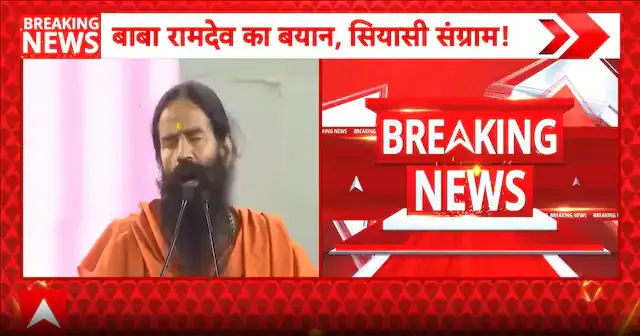
Yoga guru Baba Ramdev sparked political controversy after stating that Hindus and Muslims share the same ancestors and that Muslims should embrace ancestral traditions, asserting no one should fear the concept of a Hindu Rashtra. He emphasized unity and acknowledged constitutional guarantees of equal rights. Opposition leaders and Muslim clerics criticized his remarks as divisive, reaffirming India's governance by its Constitution and rejecting religious definitions of the nation. The debate highlights tensions over religion, identity, and constitutional values in India.
First-hand measurement across 3 sources
We measured how 3 outlets covered this story. Coverage leans left-leaning overall (Left 52%, Centre 30%, Right 18%). Overall sentiment is neutral (42/100). Lens Score 34/100 — low public interest.
Outlets analysed (first-hand measurement by TBN's Bias Engine):
- ndtv— left-leaning framing, negative sentiment
- english— left-leaning framing, neutral sentiment
- english— left-leaning framing, neutral sentiment
AI Analysis
The article group presents perspectives from both supporters and critics of Ramdev's remarks. Supporters emphasize shared ancestry and unity, while opposition parties and Muslim leaders stress constitutional supremacy and reject religious nationalism. Coverage includes political and religious voices, reflecting a balanced framing of the controversy without privileging any side.
The overall tone is mixed, combining Ramdev's confident defense of his statements with critical responses from political and religious figures. The sentiment reflects tension and disagreement, highlighting concerns about divisiveness alongside calls for unity, resulting in a nuanced portrayal of the unfolding debate.
How 3 sources covered this story
Each source's own headline, political lean, and sentiment — so you can see framing differences at a glance.