Israel Seeks Address of Nuclear and Proxy Concerns in US-Iran Negotiations
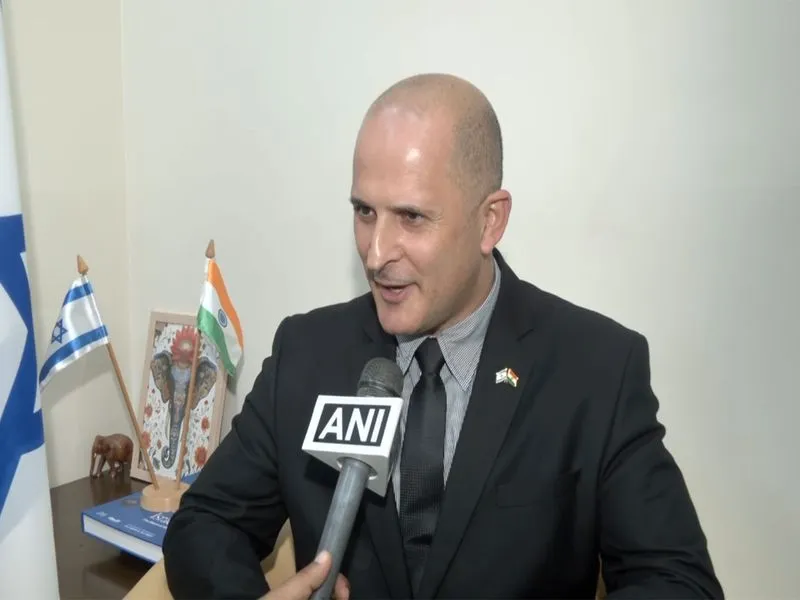
Israel's Deputy Chief of Mission to India, Fares Saeb, expressed hope that the ongoing 60-day US-Iran negotiations will address Israel's concerns about Iran's nuclear program, ballistic missile development, and support for proxies like Hezbollah. Saeb emphasized that Israel will not accept these issues and will act independently if they remain unresolved. Recent tensions include an attack by Hezbollah in southern Lebanon that killed an Israeli reservist and injured others. Israel also hopes for positive outcomes from talks with Lebanon, viewing Iran's influence as a key obstacle to peace.
First-hand measurement across 2 sources
We measured how 2 outlets covered this story. Coverage leans balanced overall (Left 15%, Centre 75%, Right 10%). Overall sentiment is neutral (40/100). Lens Score 33/100 — low public interest.
Outlets analysed (first-hand measurement by TBN's Bias Engine):
- news18— balanced framing, neutral sentiment
- thetribune— balanced framing, neutral sentiment
AI Analysis
The articles primarily present Israel's official perspective through statements by its deputy envoy, focusing on security concerns related to Iran and Hezbollah. They reflect Israel's firm stance on its red lines without including Iranian or Lebanese viewpoints. The coverage centers on diplomatic and military tensions, highlighting Israel's expectations from US-led negotiations and ongoing regional conflicts.
The tone across the articles is cautious and serious, emphasizing security risks and ongoing hostilities. While expressing hope for diplomatic progress, the coverage underscores unresolved tensions and potential for Israeli action, resulting in a predominantly neutral to slightly tense sentiment without overt optimism or pessimism.
How 2 sources covered this story
Each source's own headline, political lean, and sentiment — so you can see framing differences at a glance.