Mountbatten Plan of June 3, 1947, Outlined Partition and Independence Framework
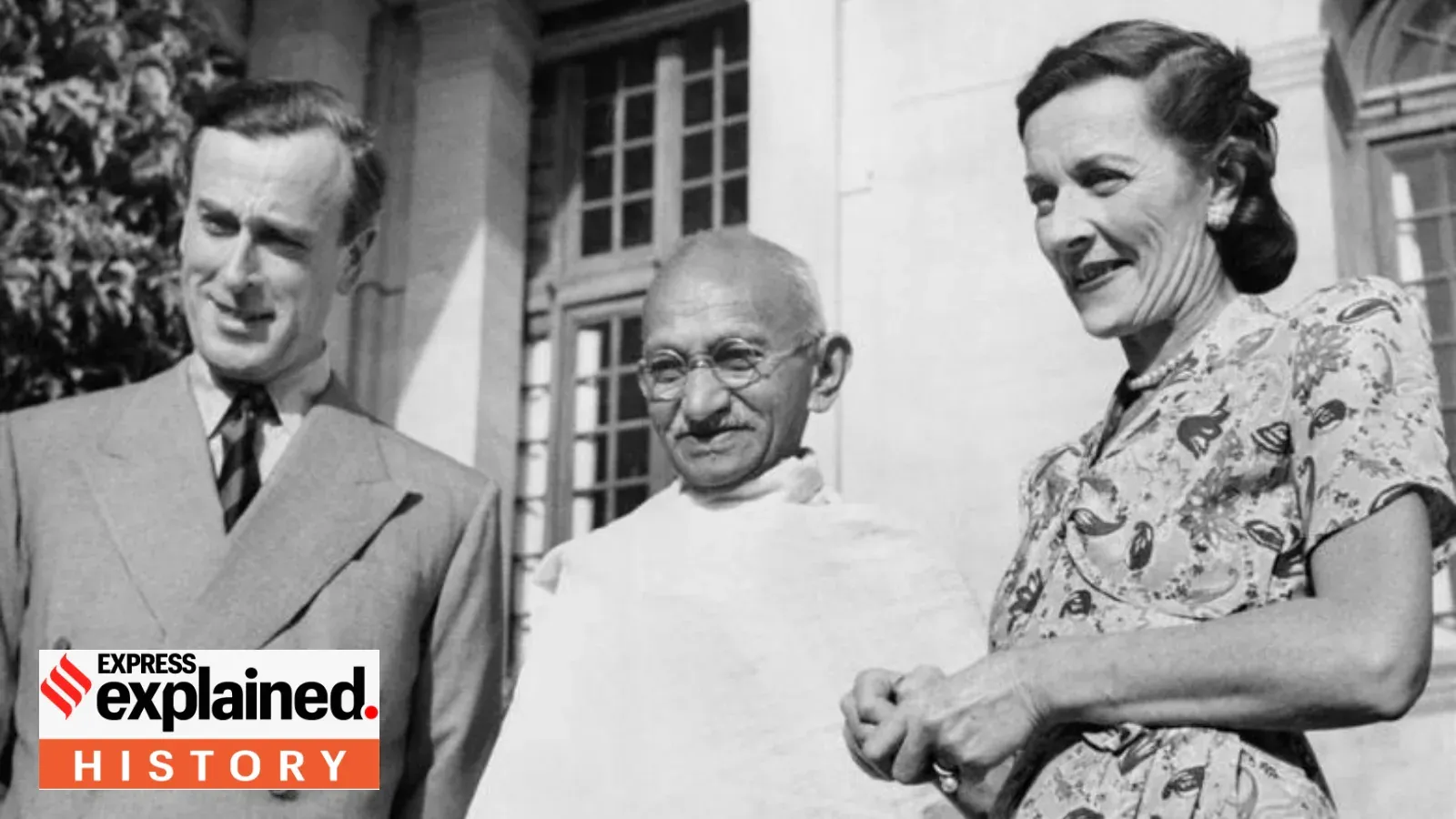
On June 3, 1947, the British government, led by Viceroy Lord Mountbatten, announced the Mountbatten Plan, outlining the partition of British India into two independent dominions, India and Pakistan. The plan included the creation of a Boundary Commission to demarcate borders and ended British legislative control, allowing the new nations to draft their own constitutions. It also ended British suzerainty over princely states. The plan aimed to address escalating communal violence and culminated in the Indian Independence Act, setting August 15, 1947, as the transfer of power date.
First-hand measurement across 2 sources
We measured how 2 outlets covered this story. Coverage leans balanced overall (Left 15%, Centre 80%, Right 5%). Overall sentiment is neutral (40/100). Lens Score 24/100 — low public interest.
Outlets analysed (first-hand measurement by TBN's Bias Engine):
- indianexpress— balanced framing, neutral sentiment
- thehindu— balanced framing, neutral sentiment
AI Analysis
The articles present a historical overview focusing on the British government's role and the political actors involved in the Mountbatten Plan without favoring any party. They highlight perspectives from British officials and Indian leaders, emphasizing the urgency of political settlement amid communal tensions. The coverage remains factual, avoiding partisan interpretations or blame regarding the partition's consequences.
The tone across the articles is neutral and informative, reflecting on the historical significance of the Mountbatten Plan. While acknowledging the resulting communal violence and displacement, the coverage maintains a balanced perspective without emotional language, focusing on the plan's proposals and political context rather than expressing positive or negative judgments.
How 2 sources covered this story
Each source's own headline, political lean, and sentiment — so you can see framing differences at a glance.