India and Japan Address Dispute Over Mumbai-Ahmedabad Bullet Train Project Progress
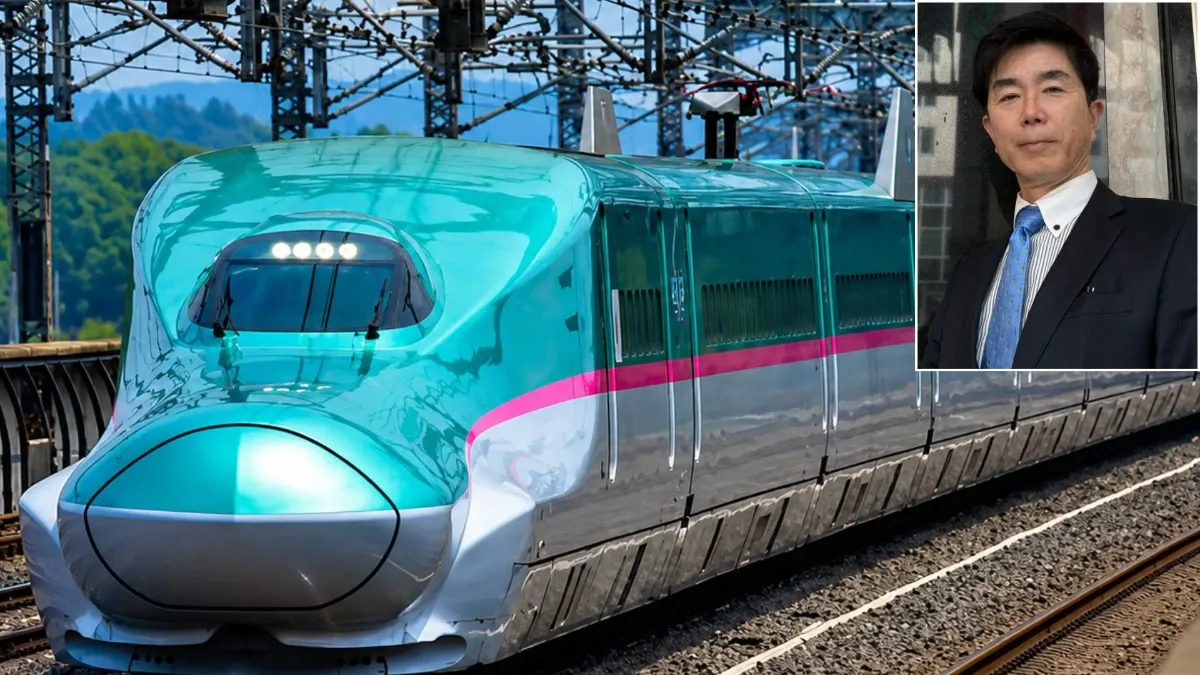
Former Japanese Justice Minister Hideki Makihara criticized India for delays in the Mumbai-Ahmedabad Bullet Train project, alleging broken commitments and a shift away from Japanese technology, particularly the signalling system. He described India's approach as reckless and self-interested. Indian officials and the Ministry of External Affairs dismissed these claims as individual opinions, emphasizing that construction is progressing rapidly and bilateral discussions remain positive. Both countries have agreed to start operations in 2027 using an Indian high-speed train, with Japan's next-generation E10 Shinkansen trains expected in the early 2030s.
First-hand measurement across 15 sources
We measured how 15 outlets covered this story. Coverage leans balanced overall (Left 13%, Centre 77%, Right 10%). Overall sentiment is neutral (58/100). Lens Score 32/100 — low public interest.
Outlets analysed (first-hand measurement by TBN's Bias Engine):
- thestatesman— balanced framing, neutral sentiment
- timesnow— balanced framing, neutral sentiment
- oneindia— balanced framing, neutral sentiment
- economictimes— balanced framing, positive sentiment
- firstpost— balanced framing, positive sentiment
- freepressjournal— balanced framing, neutral sentiment
- freepressjournal— balanced framing, neutral sentiment
- opindia— balanced framing, positive sentiment
AI Analysis
The article group presents two main perspectives: the former Japanese minister's critical view blaming India for project delays and deviations from the original plan, and the Indian government's rebuttal emphasizing ongoing cooperation and progress. Sources include government officials, opposition politicians, and Japanese experts, reflecting a mix of national and political viewpoints without endorsing either side.
The overall tone is mixed, combining critical remarks from the former Japanese minister highlighting delays and negotiation issues with official Indian responses that stress positive developments and project milestones. The coverage balances skepticism and defense, resulting in a neutral to cautiously optimistic sentiment regarding the project's status.
How 15 sources covered this story
Each source's own headline, political lean, and sentiment — so you can see framing differences at a glance.