Japanese Ex-Minister Criticizes India Over Bullet Train Delays Amid Project Progress
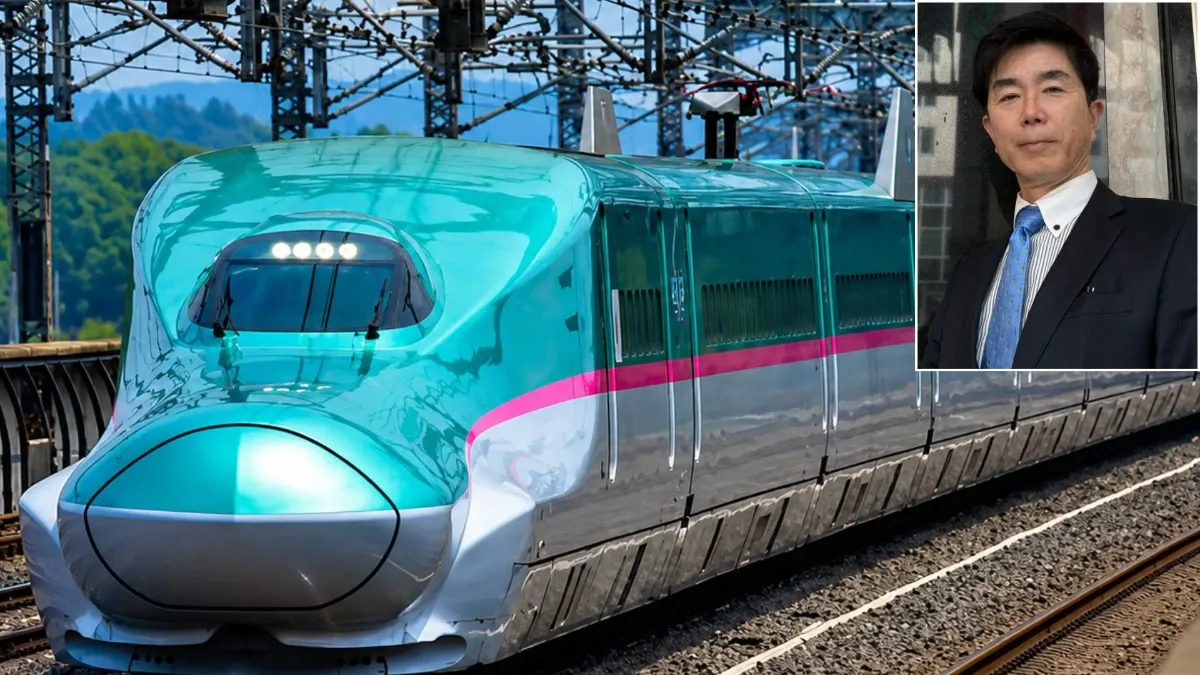
Former Japanese Justice Minister Hideki Makihara has attributed delays in the Mumbai-Ahmedabad Bullet Train project to India's handling of negotiations, citing repeated changes in commitments and a shift from Japan's Shinkansen signalling system to European technology. Indian officials and government sources, however, report ongoing progress and milestone achievements, with phased operations expected to begin by August 2027. The project continues under a bilateral agreement, with Japan supplying next-generation trains in the early 2030s and India planning interim use of indigenous high-speed trains.
First-hand measurement across 7 sources
We measured how 7 outlets covered this story. Coverage leans balanced overall (Left 19%, Centre 72%, Right 9%). Overall sentiment is neutral (54/100). Lens Score 32/100 — low public interest.
Outlets analysed (first-hand measurement by TBN's Bias Engine):
- ndtv— balanced framing, positive sentiment
- indiatvnews— balanced framing, positive sentiment
- thetelegraph— balanced framing, neutral sentiment
- indiatoday— balanced framing, neutral sentiment
- indiatoday— left-leaning framing, negative sentiment
- freepressjournal— balanced framing, neutral sentiment
- economictimes— balanced framing, positive sentiment
AI Analysis
The article group presents perspectives from a former Japanese minister critical of India's management of the bullet train project, highlighting alleged delays and negotiation issues. Indian government sources and officials provide counterpoints emphasizing ongoing progress and milestones. Opposition political voices use the criticism to challenge the ruling government, while industry representatives focus on broader infrastructure developments, reflecting a mix of critical and supportive viewpoints.
The overall sentiment is mixed, combining critical remarks from the former Japanese minister about project delays and negotiation challenges with positive updates from Indian officials about construction progress and planned operations. Political reactions add a critical tone, whereas industry perspectives and official statements convey optimism about the project's future, resulting in a balanced but nuanced emotional tone.