Opposition Parties Write to CJI Alleging Election Manipulation and Urging Judicial Intervention
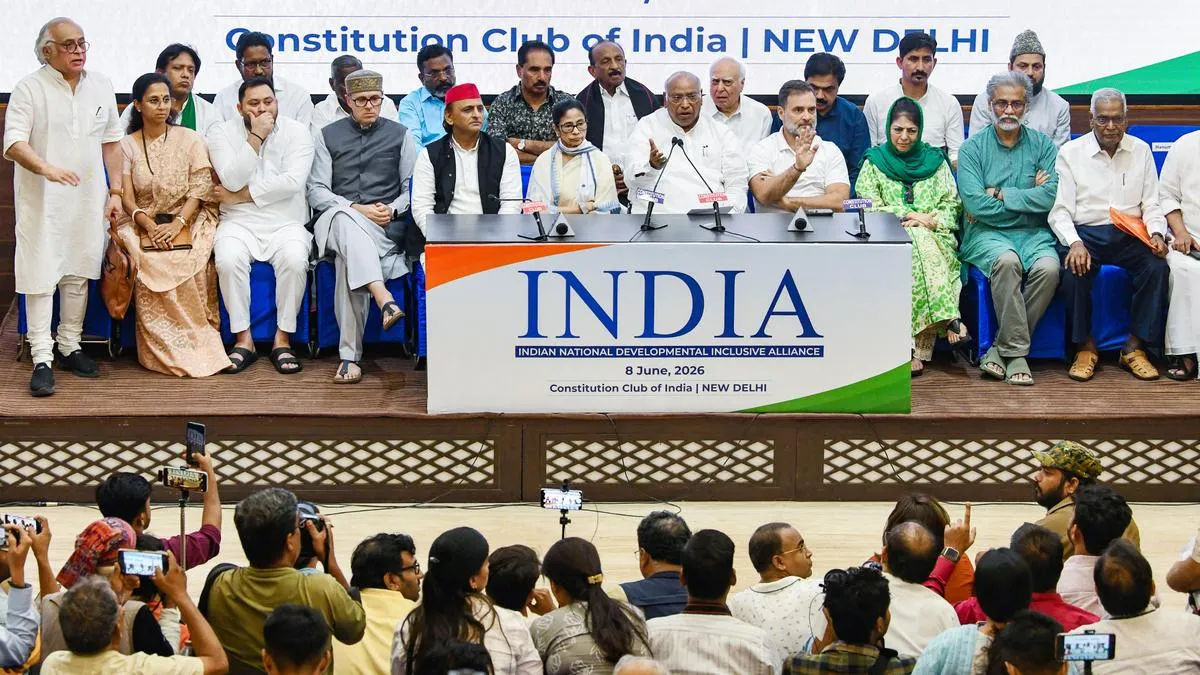
Leaders of 23 Opposition parties and an Independent MP, collectively known as the INDIA bloc, have written a joint letter to Chief Justice of India Surya Kant expressing concerns over alleged manipulation of elections, partisan conduct by the Election Commission of India (ECI), and misuse of investigative agencies. They cited issues with the Special Intensive Revision of electoral rolls and questioned the independence of the ECI since 2014. The letter urges the Supreme Court to uphold electoral integrity and protect democratic institutions amid fears that election outcomes may not reflect the people's will.
First-hand measurement across 5 sources
We measured how 5 outlets covered this story. Coverage leans left-leaning overall (Left 79%, Centre 16%, Right 5%). Overall sentiment is negative (26/100). Lens Score 42/100 — moderate-to-low public interest.
Outlets analysed (first-hand measurement by TBN's Bias Engine):
- indianexpress— left-leaning framing, negative sentiment
- thetelegraph— left-leaning framing, negative sentiment
- thehindu— left-leaning framing, negative sentiment
- english— left-leaning framing, negative sentiment
- news18— left-leaning framing, negative sentiment
AI Analysis
The article group predominantly reflects the perspectives of opposition parties criticizing the current government and the Election Commission's impartiality. It highlights concerns about the ruling regime's influence over electoral processes and calls for judicial oversight. The sources frame the issue as a threat to democracy, emphasizing the judiciary's role without presenting responses from the government or Election Commission, indicating a focus on opposition viewpoints.
The overall tone across the articles is critical and concerned, emphasizing threats to electoral democracy and institutional integrity. The sentiment is largely negative toward the current administration and the Election Commission, reflecting opposition apprehensions. However, the language remains formal and measured, focusing on appeals for judicial intervention rather than emotive or sensational expressions.