Skip to content
Get the Balanced News app for a better experience!
The Balanced News Logo
Analytics
The Balanced News Logo

Stay Balanced, Stay Informed

Menu
  • Browse News
  • Underreported Stories
  • Curated Feeds
  • Insights
  • Analytics
  • Our Writers
  • About Us
  • Download App
Learn
  • How It Works
  • Bias Detection
  • Lens Score
  • Source Bias Checker
  • Accountability
  • Custom Feeds
Newsroom
  • Writers & Analysts
  • About TBN
  • Editorial Standards
  • Corrections Policy
  • Our Partners
  • Insights
Socials
  • Youtube
  • Instagram
  • X
  • Facebook
News Categories
  • Trending
  • Politics
  • Sports
  • Business
  • Tech
  • Entertainment
  • Health
  • Science
  • Crime
  • Lifestyle
  • National
  • International
  • Good News
  • Crypto

Get Our App

Available for iOS and Android


LensFeedsInsightsAnalyticsTrendingGood NewsSportsPoliticsBusinessCrimeTechEntertainmentHealthNationalInternational

© 2026 The Balanced News. All rights reserved.

About UsEditorial StandardsCorrectionsHelp & SupportPrivacy PolicyTerms & Conditions
Strait of Hormuz Crisis Highlights India's Maritime and Strategic Challenges
Categories

Categories

Related Coverage

Select a news story to see related coverage from other media outlets.

Related Coverage

Select a news story to see related coverage from other media outlets.

  1. Home
  2. /
  3. Politics

Strait of Hormuz Crisis Highlights India's Maritime and Strategic Challenges

Analysed 10 Sept 2026·2 sources analysed·United States·Politics
Strait of Hormuz Crisis Highlights India's Maritime and Strategic ChallengesPreviousNext

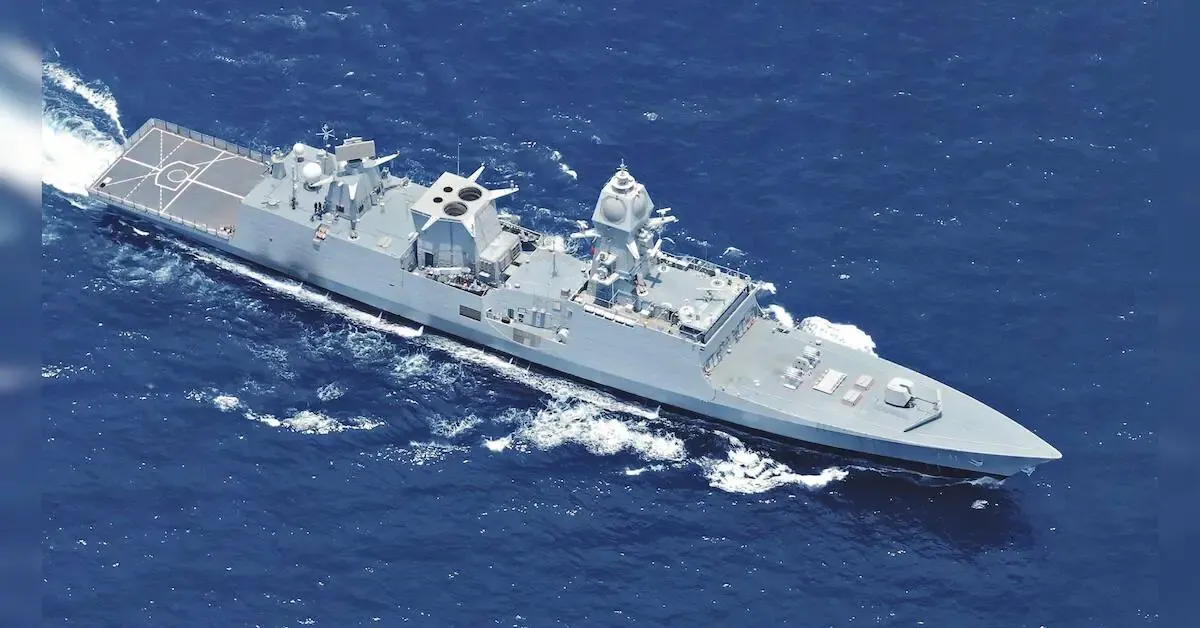
The Strait of Hormuz crisis, triggered by US-Israeli strikes on Iran and subsequent Iranian restrictions, severely disrupted global maritime traffic, impacting energy, economic, and diplomatic spheres. India faced a triple challenge, highlighting its strategic vulnerability due to dependence on external supply chains despite increased diplomatic flexibility. The strait's importance is underscored by its role in global crude and natural gas trade, with India relying heavily on maritime routes for trade volume and value, emphasizing the need for a robust maritime strategy to support its economic ambitions by 2047.

Sentiment
49%
TBN's observations

First-hand measurement across 2 sources

We measured how 2 outlets covered this story. No outlet gave this story a measurable political slant — there is no left–right reading to report. Overall sentiment is neutral (49/100). Lens Score 36/100.

Outlets measured: businessstandard, businessstandard. See how each one headlined and framed the same story in the source comparison below.

AI analysis of 2 sources · Published under editorial oversight by The Balanced News
Analysed 10 Sept 2026· How this analysis is produced· Editorial standards· Corrections

AI Analysis

Sentiment — Neutral (49/100)

Sentiment was consistent across outlets (48–50/100), indicating broadly factual reporting rather than editorialising.

Coverage timeline

businessstandard broke this story on 10 Sept, 12:51 am. Other outlets followed.

10 Sept, 12:51 am2 sources · 14 min10 Sept, 01:05 am
  1. 1
AI analysis by the TBN Bias Engine · beat methodology byPrajakta Kale· Political Analyst· editorial standards byOjas Kale
← Previous
Global News Roundup: US-Iran Sanctions, Trump Census Plan, and Tech Developments
Next →
NGO Files Contempt Petition Over Karnataka Mining Block Auction Alleged Violations
businessstandard10 Sept, 12:51 am
'Strategic autonomy' amid the Hormuz crisis
  • 2
    businessstandard10 Sept, 01:05 am
    The return of maritime centrality
  • Who's involved

    Institutions and figures named across source coverage.

    Government
    Government of the United States of AmericaGovernment of IndiaGovernment of the Islamic Republic of IranGovernment of IsraelGovernment of the United States

    Story context

    Category
    Politics
    Location
    United States
    Sources analysed
    2
    Last analysed
    10 Sept 2026
    Key entities
    IranStrait of HormuzIndiaOrmusAutonomyGeographyWestern AsiaGeopoliticsGulf WarUnited StatesIsraelLiquefied natural gas