Supreme Court Limits Live Streaming for Self-Represented Litigants, Plans Case Backlog Reduction
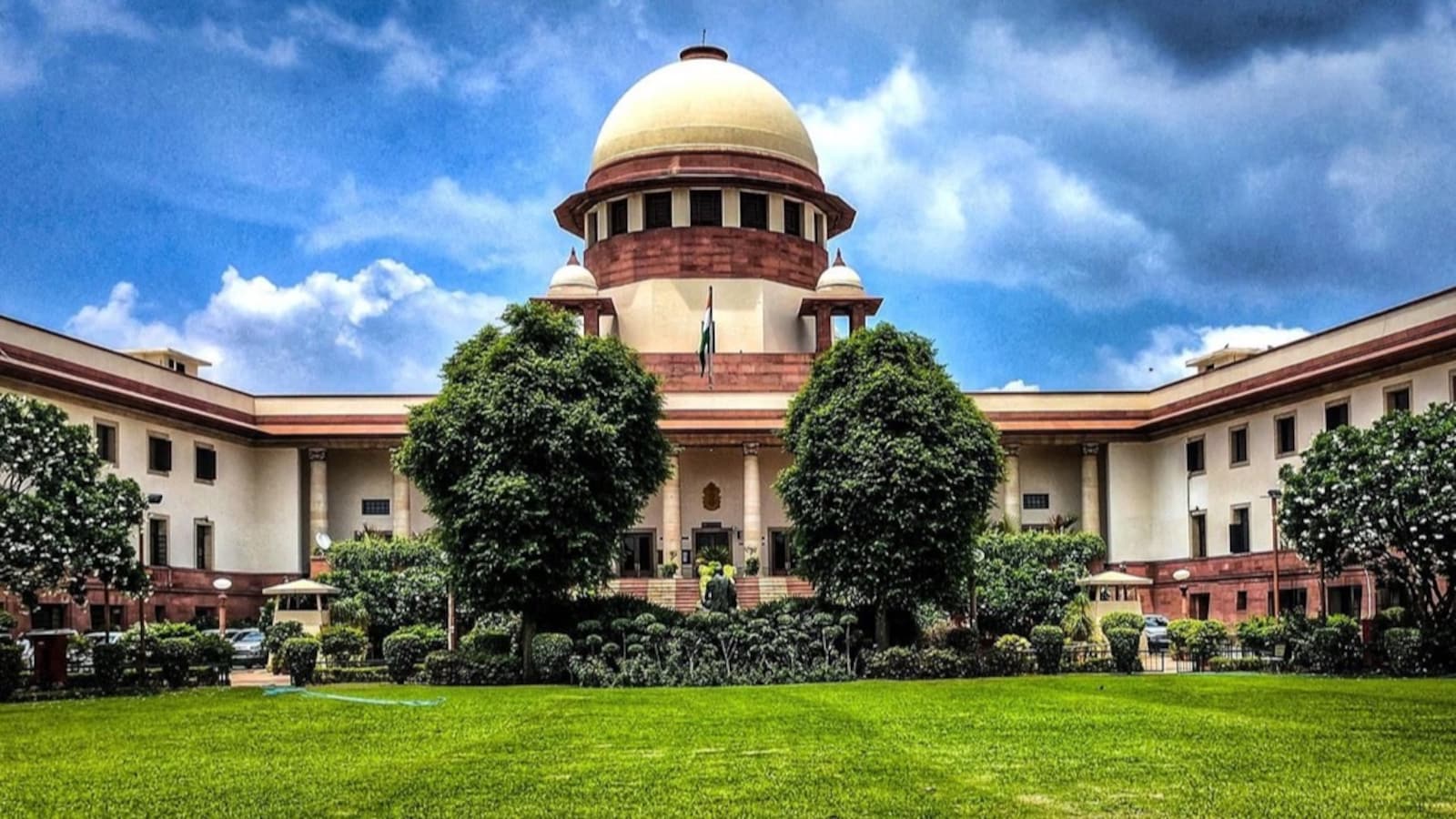
Following a disruptive incident on July 10 involving a petitioner who threw papers and used abusive language in the Supreme Court, the court has introduced measures to maintain decorum. Petitioners representing themselves will be encouraged to appear virtually, and if they choose to appear physically, their proceedings will not be live-streamed or recorded. Additionally, the court plans to expedite case disposal by prioritizing around 100 batch matters, aiming to resolve over 9,000 pending cases, with oldest cases listed on specific weekdays.
First-hand measurement across 2 sources
We measured how 2 outlets covered this story. Coverage leans balanced overall (Left 0%, Centre 100%, Right 0%). Overall sentiment is neutral (55/100). Lens Score 31/100 — low public interest.
Outlets analysed (first-hand measurement by TBN's Bias Engine):
- ndtv— balanced framing, neutral sentiment
- thetribune— balanced framing, neutral sentiment
AI Analysis
The articles present a judicial administrative decision without political framing, focusing on court procedures and security measures. Both sources emphasize the court's response to a specific courtroom incident and efforts to manage case backlogs, reflecting institutional perspectives rather than political viewpoints. The coverage is procedural and neutral, with no partisan commentary or political analysis.
The tone across the articles is neutral to slightly cautious, highlighting the court's measures to uphold decorum and improve efficiency. The incident is described factually without emotive language, and the court's steps are presented as administrative responses. There is no overtly positive or negative sentiment, maintaining an objective stance on the developments.
How 2 sources covered this story
Each source's own headline, political lean, and sentiment — so you can see framing differences at a glance.