Iran's Khamenei Approves US MoU with Reservations, Emphasizes Safeguarding National Interests
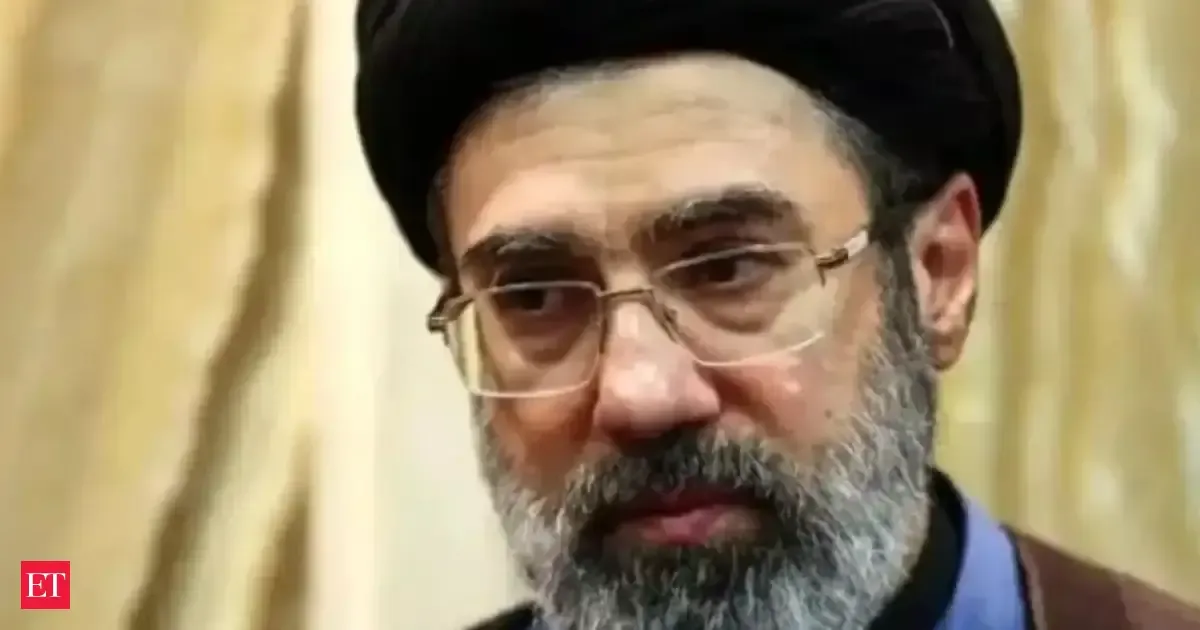
Iran's Supreme Leader Mojtaba Khamenei approved a memorandum of understanding (MoU) with the United States despite initial reservations, following assurances from Iranian President Masoud Pezeshkian and senior officials that Iran's national rights and the interests of the 'Resistance Front' would be protected. Khamenei emphasized that future face-to-face negotiations would not imply acceptance of the U.S. position and warned against excessive demands from Washington. He described the U.S. president's efforts to secure the deal as driven by desperation, while acknowledging the extensive efforts of Iranian officials to reach the agreement, which aims to end hostilities and initiate a 60-day negotiation period on Iran's nuclear program and related issues.
First-hand measurement across 8 sources
We measured how 8 outlets covered this story. Coverage leans balanced overall (Left 2%, Centre 96%, Right 2%). Overall sentiment is neutral (48/100). Lens Score 27/100 — low public interest.
Outlets analysed (first-hand measurement by TBN's Bias Engine):
- mint— balanced framing, neutral sentiment
- wion— balanced framing, neutral sentiment
- firstpost— balanced framing, neutral sentiment
- timesnow— balanced framing, neutral sentiment
- economictimes— balanced framing, neutral sentiment
- news18— balanced framing, neutral sentiment
- businessstandard— balanced framing, neutral sentiment
- indiatoday— balanced framing, neutral sentiment
AI Analysis
The article group presents perspectives primarily from Iranian official sources, focusing on Supreme Leader Khamenei's cautious approval of the MoU with the U.S. The coverage highlights Iranian concerns about protecting national rights and resisting U.S. pressure, portraying the U.S. as using leverage out of desperation. There is limited representation of U.S. viewpoints or independent analysis, reflecting a predominantly Iranian governmental framing emphasizing sovereignty and negotiation conditions.
The overall tone across the articles is measured and cautious, reflecting a guarded endorsement of the agreement by Iran's leadership. While acknowledging the significance of the MoU, the sentiment underscores skepticism toward U.S. intentions and stresses protective measures for Iran's interests. The coverage balances recognition of diplomatic progress with warnings against excessive demands, resulting in a mixed but primarily neutral-to-cautious sentiment.