Maharashtra MLA Sana Malik's Remarks on Polygamy Spark Assembly Debate and Criticism
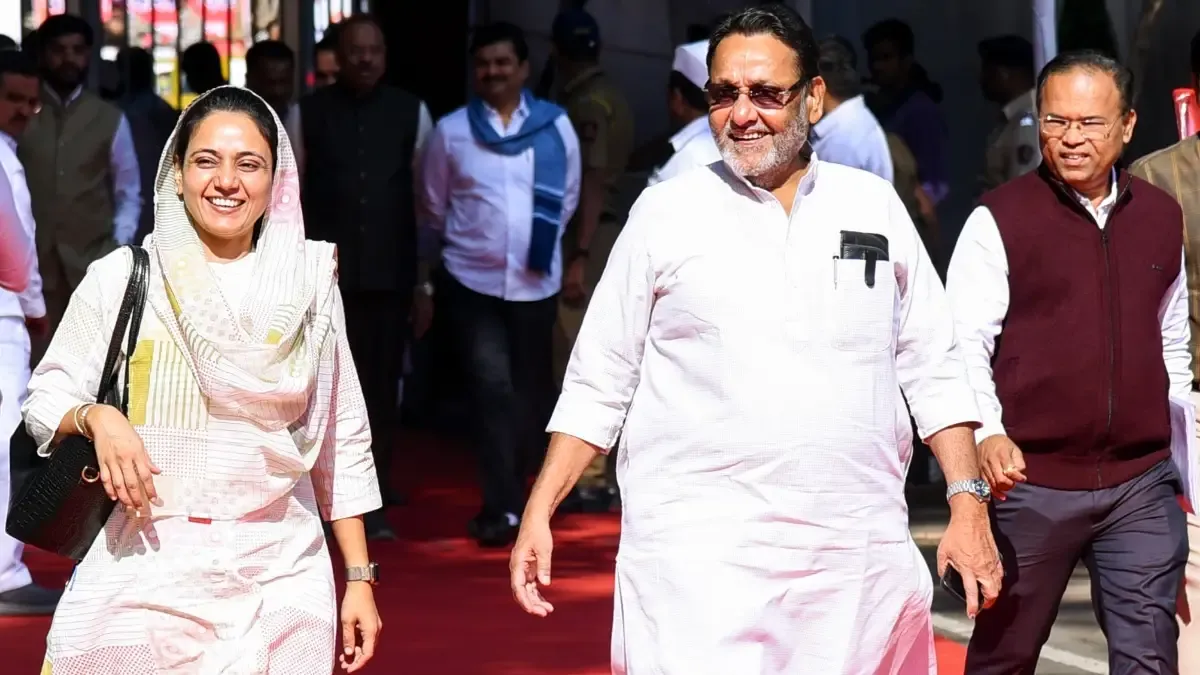
During a Maharashtra Assembly debate on women's rights and personal laws, NCP MLA Sana Malik referenced Islamic texts to explain polygamy's allowance under Muslim Personal Law, emphasizing that such practices exist across communities. She objected to citing Pakistan's laws, urging focus on the Indian Constitution and Quran. Her remarks sparked criticism from BJP and Shiv Sena leaders, who accused her of vote-bank politics and undermining reforms like the abolition of triple talaq. Malik later clarified she did not promote polygamy but called for fair legal protections across religions, fueling renewed debate on the Uniform Civil Code.
First-hand measurement across 5 sources
We measured how 5 outlets covered this story. Coverage leans balanced overall (Left 40%, Centre 44%, Right 16%). Overall sentiment is neutral (41/100). Lens Score 36/100 — moderate-to-low public interest.
Outlets analysed (first-hand measurement by TBN's Bias Engine):
- news18— left-leaning framing, neutral sentiment
- republicworld— balanced framing, neutral sentiment
- indiatoday— balanced framing, neutral sentiment
- news18— balanced framing, neutral sentiment
- republicworld— balanced framing, neutral sentiment
AI Analysis
The article group presents multiple political perspectives, including NCP MLA Sana Malik's defense of religious personal laws and objections to referencing Pakistan, alongside BJP and Shiv Sena leaders' criticism emphasizing women's rights and legal reforms. Coverage reflects contrasting views on polygamy, religious freedom, and the Uniform Civil Code, with sources framing the debate through political and communal lenses without endorsing any position.
The overall tone across the articles is mixed, combining factual reporting of Malik's statements and clarifications with critical responses from opposition leaders. While some coverage highlights controversy and political backlash, others focus on legal and constitutional contexts, resulting in a balanced presentation of differing sentiments without overtly positive or negative bias.