Skip to content
Get the Balanced News app for a better experience!
The Balanced News Logo
Analytics
The Balanced News Logo

Stay Balanced, Stay Informed

Menu
  • Browse News
  • Underreported Stories
  • Curated Feeds
  • Insights
  • Analytics
  • Our Writers
  • About Us
  • Download App
Learn
  • How It Works
  • Bias Detection
  • Lens Score
  • Source Bias Checker
  • Accountability
  • Custom Feeds
Newsroom
  • Writers & Analysts
  • About TBN
  • Editorial Standards
  • Corrections Policy
  • Our Partners
  • Insights
Socials
  • Youtube
  • Instagram
  • X
  • Facebook
News Categories
  • Trending
  • Politics
  • Sports
  • Business
  • Tech
  • Entertainment
  • Health
  • Science
  • Crime
  • Lifestyle
  • National
  • International
  • Good News
  • Crypto

Get Our App

Available for iOS and Android


LensFeedsInsightsAnalyticsTrendingGood NewsSportsPoliticsBusinessCrimeTechEntertainmentHealthNationalInternational

© 2026 The Balanced News. All rights reserved.

About UsEditorial StandardsCorrectionsHelp & SupportPrivacy PolicyTerms & Conditions
India's Climate Strategy Highlights Energy Justice and Steel Sector Emission Challenges
Categories

Categories

Related Coverage

Select a news story to see related coverage from other media outlets.

Related Coverage

Select a news story to see related coverage from other media outlets.

  1. Home
  2. /
  3. Politics

India's Climate Strategy Highlights Energy Justice and Steel Sector Emission Challenges

Analysed 27 Oct 2026·2 sources analysed·India·Politics
India's Climate Strategy Highlights Energy Justice and Steel Sector Emission ChallengesPreviousNext

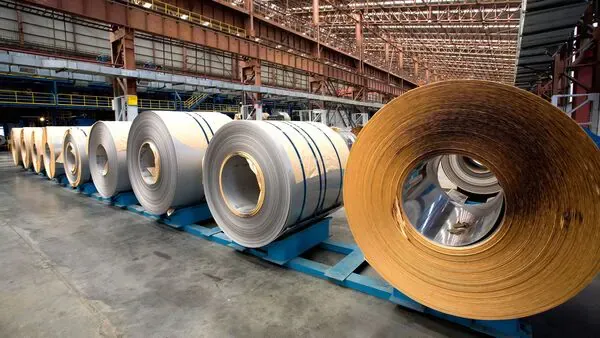
India's climate and energy policies emphasize national energy use and equitable consumption over global emission targets. The country aims to expand steel production significantly by 2047 while reducing emissions intensity, but total emissions may still rise due to increased output. Experts suggest reframing climate discussions to focus on national actions and energy justice, and call for clear, practical plans in the steel sector to balance growth with meaningful emissions reductions well before 2047.

Sentiment
56%
TBN's observations

First-hand measurement across 2 sources

We measured how 2 outlets covered this story. No outlet gave this story a measurable political slant — there is no left–right reading to report. Overall sentiment is neutral (56/100). Lens Score 42/100.

Outlets measured: mint, thehindu. See how each one headlined and framed the same story in the source comparison below.

AI analysis of 2 sources · Published under editorial oversight by The Balanced News
Analysed 27 Oct 2026· How this analysis is produced· Editorial standards· Corrections

AI Analysis

Sentiment — Neutral (56/100)

Sentiment was consistent across outlets (55–58/100), indicating broadly factual reporting rather than editorialising.

Coverage timeline

thehindu broke this story on 27 Oct, 01:36 am. Other outlets followed.

27 Oct, 01:36 am2 sources · 5 h27 Oct, 06:33 am
  1. 1
AI analysis by the TBN Bias Engine · beat methodology byPrajakta Kale· Political Analyst· editorial standards byOjas Kale
← Previous
US Military Bans Chinese BYD Vehicles at Kadena Air Base Over Security Concerns
Next →
India and EU Continue Talks on Investment Protection and Geographical Indications Agreements
thehindu27 Oct, 01:36 am
From climate targets to energy justice
  • 2
    mint27 Oct, 06:33 am
    India's steel ambitions: Why they need a clear climate transition plan Mint
  • Who's involved

    Institutions and figures named across source coverage.

    Government
    United States Executive OfficeUnited NationsGovernment of India
    Corporate
    JSW Steel LimitedTata Steel LimitedSteel Authority of India Limited
    Political
    Group of Seven

    Story context

    Category
    Politics
    Location
    India
    Sources analysed
    2
    Last analysed
    27 Oct 2026
    Key entities
    ElectricityIndiaClimate change mitigationWell-beingChinaPolitics of climate changeGlobal North and Global SouthMultilateralismUnited NationsUnited StatesGreenhouse gas emissionsEmerging market