Kerala High Court Delay in Cancer Drug Price Petition Outlives Patient
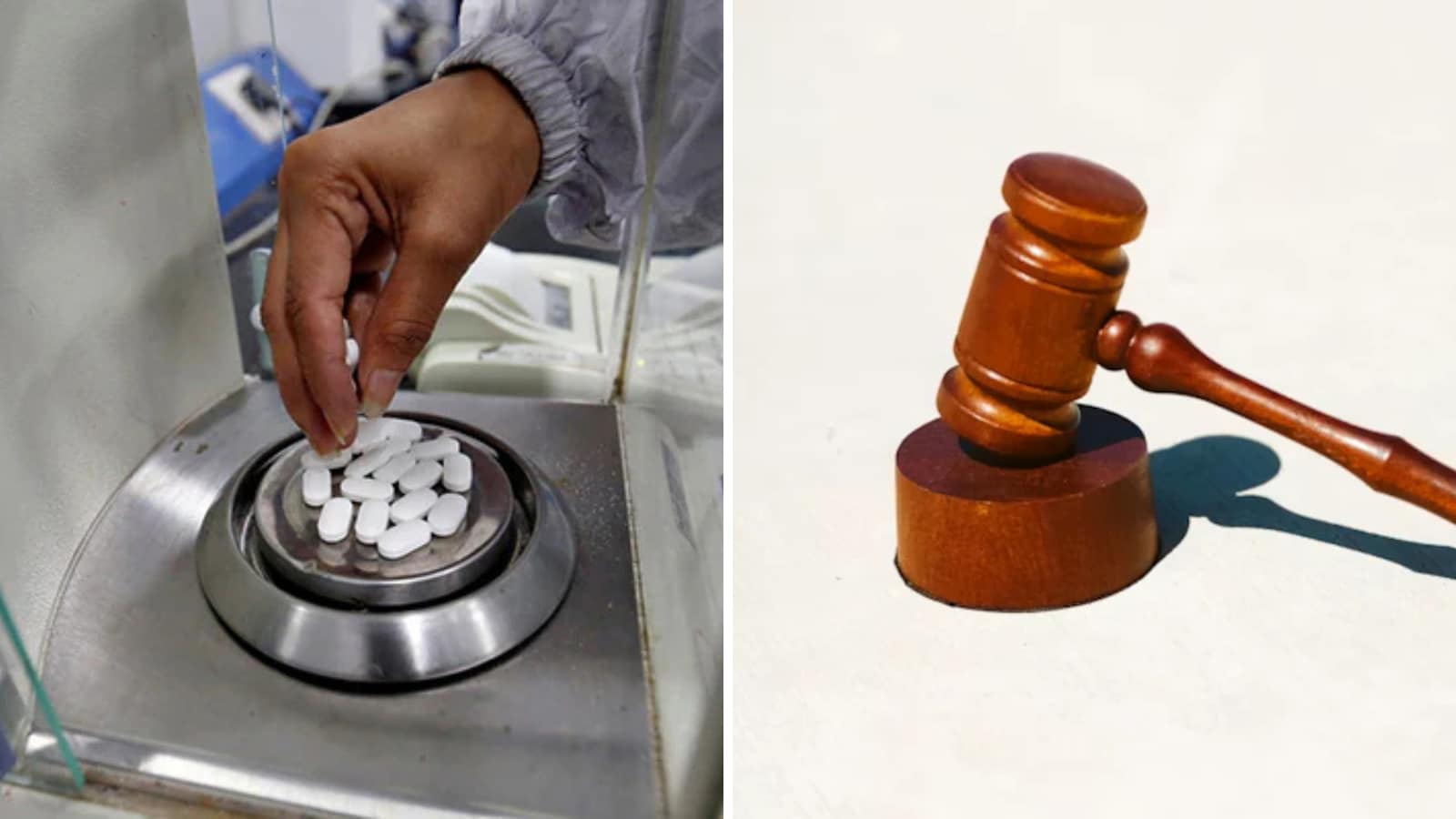
A woman with breast cancer filed a petition in Kerala High Court in 2022 seeking lower prices for costly drugs Ribociclib and Abemaciclib, which can cost up to Rs 1.5 lakh monthly. Despite 57 hearings and involvement of multiple stakeholders, including government bodies and drug manufacturers, the court has yet to deliver a verdict. The petitioner died waiting for a decision, highlighting concerns over delays in access to affordable cancer treatment and the government's classification of breast cancer as non-emergency.
First-hand measurement across 8 sources
We measured how 8 outlets covered this story. Coverage leans left-leaning overall (Left 67%, Centre 30%, Right 3%). Overall sentiment is negative (28/100). Lens Score 38/100 — moderate-to-low public interest.
Outlets analysed (first-hand measurement by TBN's Bias Engine):
- opindia— left-leaning framing, negative sentiment
- thenewsminute— left-leaning framing, negative sentiment
- ndtv— left-leaning framing, negative sentiment
- news18— left-leaning framing, neutral sentiment
- news18— left-leaning framing, negative sentiment
- thehindu— left-leaning framing, neutral sentiment
- indianexpress— left-leaning framing, neutral sentiment
- timesnow— balanced framing, negative sentiment
AI Analysis
The articles present perspectives highlighting judicial delays and government inaction on affordable cancer drugs. Some sources emphasize patient advocacy and government responsibility, while others contrast this with expedited hearings in high-profile cases, suggesting disparities in legal responsiveness. The coverage includes voices from legal experts, patient groups, and government agencies, reflecting a range of viewpoints on healthcare access and judicial efficiency.
The overall tone across the articles is somber and critical, focusing on the tragic outcome of the patient's death amid prolonged legal proceedings. While there is concern over systemic delays and high drug costs, the sentiment also includes calls for judicial and governmental action. The coverage balances empathy for the patient with scrutiny of institutional processes, resulting in a predominantly serious and reflective mood.